Strategic Position
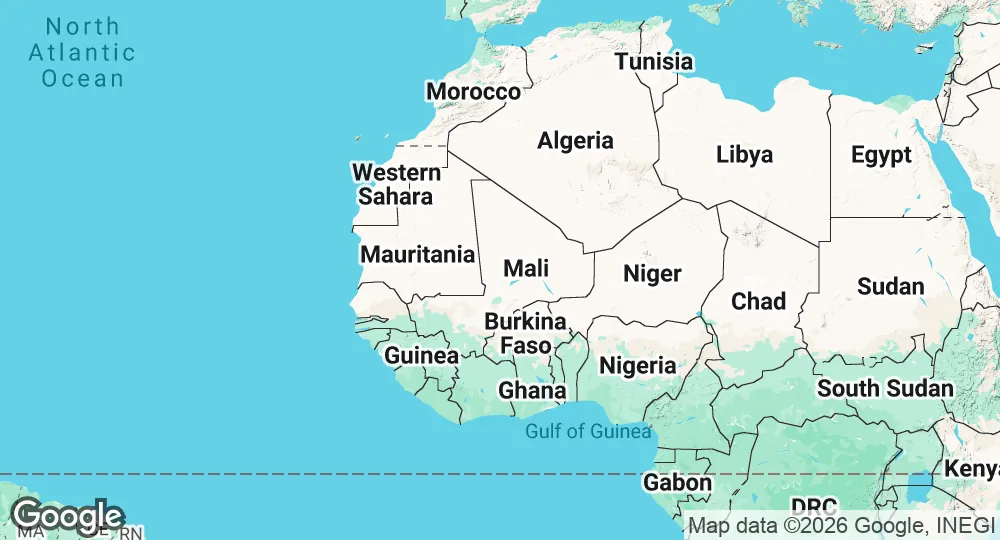
Mali is a founding member of the Alliance of Sahel States (AES), a confederation established alongside Burkina Faso and Niger under the Liptako-Gourma Charter. This alliance, which reached full operational status following a series of summits in 2025 and 2026, serves as the primary regional security framework for the country. Mali maintains a definitive break from Western-aligned structures, having completed its withdrawal from the Economic Community of West African States (ECOWAS) and the G5 Sahel.
Primary security concerns center on asymmetric warfare against jihadist groups, including Jama'at Nusrat al-Islam wal-Muslimin (JNIM) and the Islamic State in the Greater Sahara (ISGS), as well as separatist insurgencies in northern regions such as Kidal. Defense doctrine has transitioned toward a focus on national sovereignty and territorial integrity through diversified international partnerships. Mali maintains close bilateral defense agreements with Russia, Turkey, and China, replacing former security arrangements with France and the United Nations.
Military Forces
The Malian Armed Forces (FAMa) are organized into the Army, Air Force, National Gendarmerie, and National Guard. Active personnel numbers exceed 40,000, with a 2025–2026 Government Action Plan currently underway to recruit an additional 15,000 military personnel and 9,000 security agents.
The Army operates a mix of legacy Soviet hardware and modern platforms. Armor capabilities include T-72B3 and T-62 main battle tanks. Recent deliveries in 2025 introduced BMP-3 infantry fighting vehicles and BTR-82A armored personnel carriers from Russia, alongside VN22 infantry fighting vehicles and CS/VP14 mine-resistant ambush-protected (MRAP) vehicles from China. Field artillery is supported by SR-5 multiple rocket launcher systems.
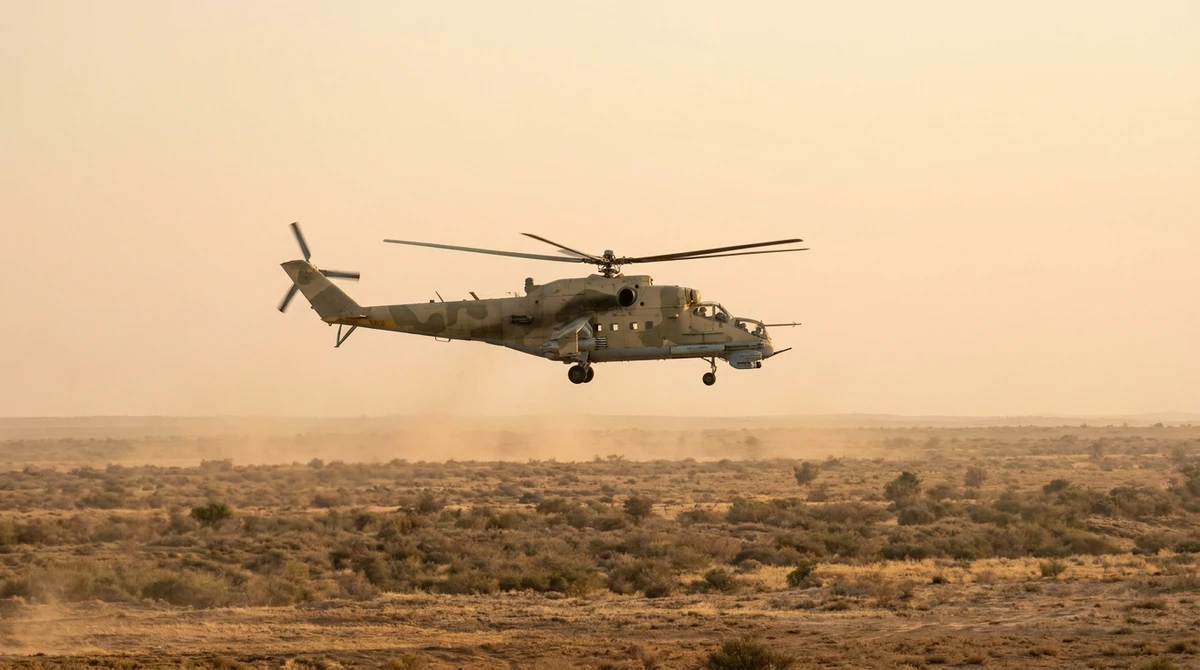
The Air Force has undergone modernization with an emphasis on counter-insurgency and aerial surveillance. Its inventory includes Su-25 ground attack aircraft and L-39C/NG light attack and trainer jets. Rotary-wing assets consist of Mi-24/35 attack helicopters and Mi-8/17 transport helicopters. Unmanned aerial capabilities are centered on Turkish-manufactured Bayraktar TB2 and Akinci combat drones.
Specialized operational support is provided by the Russian-led Africa Corps, which assists in training, intelligence, and high-intensity combat operations. In December 2025, Mali formally integrated a contingent of troops into the 5,000-member Unified Force of the Alliance of Sahel States (FU-AES), a joint regional intervention unit.
Defense Industry
Mali launched a national military industry program in 2025 aimed at reducing reliance on foreign logistics for basic defense needs. This initiative focuses on the domestic assembly of light tactical vehicles and the production of small arms ammunition. In November 2025, the government hosted the Bamako Global Defense Expo (BAMEX 2025), which facilitated agreements with Turkish defense firms for the joint maintenance of unmanned systems and armored platforms. Domestic infrastructure development includes the expansion of Base 101 in Bamako to house specialized maintenance facilities for newly acquired Russian and Chinese hardware.
Strategic Trends
Defense spending is a prioritized component of the national budget, with 157.1 billion CFA francs reallocated to defense and security in 2025. Procurement trends indicate a shift toward high-altitude surveillance and precision strike capabilities to address the mobility of insurgent groups in the Sahelian interior.
The military's future force structure is defined by the Liptako-Gourma Charter, which mandates collective defense and the synchronization of operations with neighboring AES members. Doctrinal shifts emphasize "military independence," characterized by the rejection of Western military aid in favor of hardware acquisitions from non-Western suppliers and the expansion of the domestic paramilitary apparatus. Challenges remain regarding the long-term fiscal sustainability of rapid personnel expansion and the technical maintenance of increasingly diverse equipment inventories.