GlobalMilitary.net Open-source military intelligence Updated daily
Asia · Taipei

Taiwan Military Forces

Taiwan ranks #14 of 170 militaries worldwide in 2026, with 169,000 active troops. The Taiwanese Army fields 5,430 ground vehicles, including 1,018 main battle tanks; the Air Force flies 713 aircraft, including 319 combat aircraft; the Navy operates 86 warships, including 4 submarines. Taiwan has no nuclear weapons.

World rank #14 ATLAS index 47.0/100
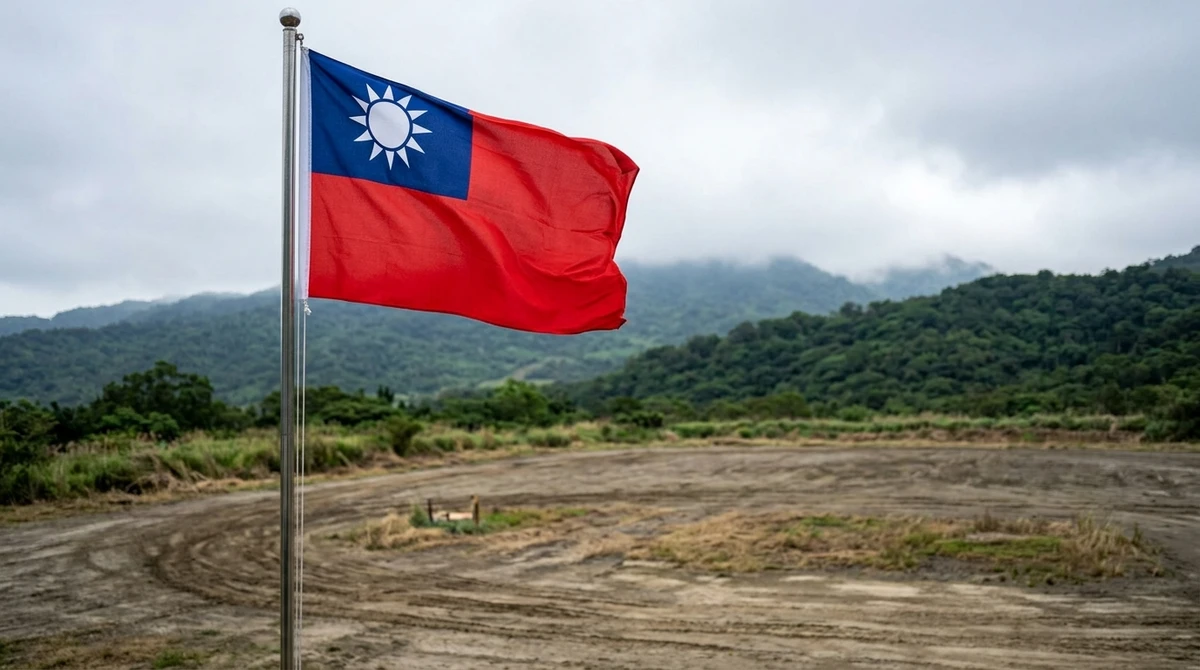
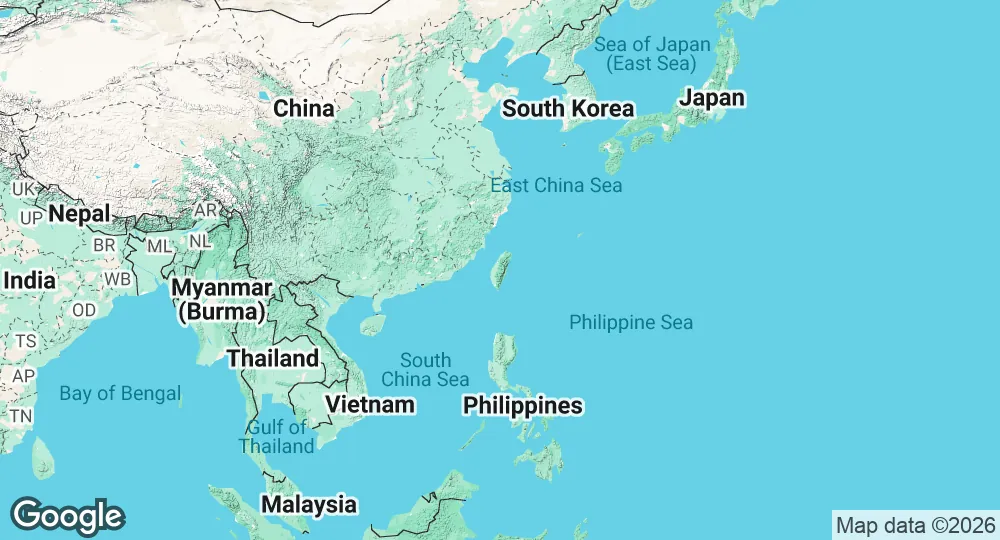
Map of Taiwan Flag of Taiwan
Active troops
169K
Reserve troops
1.7M
Defense budget
$18B2025
Share of GDP
2.1%

Armed Forces in 2026

Domain Strength Composition
Republic of China Air Force 713 aircraft 319 combat 239 helicopters 13 air bases +83 on order
Republic of China Navy 86 warships 29 major combatants 4 submarines 1 naval bases
Ground Forces 5,430 vehicles 1,018 main battle tanks
Personnel 169,000 active 1,657,000 reserve 13,000 paramilitary

ATLAS Index (Aggregate Total of Land, Air and Sea strength)

Full ranking →
Score & Pillar Breakdown World #14
47.0/ 100
Taiwan ranks #14 of 170 in the ATLAS Index (Aggregate Total of Land, Air and Sea strength) with a score of 47.0/100. The ATLAS Index scores Taiwan's overall capability on a 0–100 scale from verifiable data across six pillars: manpower, ground forces, naval power, air power, nuclear deterrent and defense budget, each conventional pillar read after the availability proxy of its branch index (budget per point of the force).
Pillar Weight Score Basis
Manpower 10% 76.2 Active, reserve & paramilitary personnel
Ground forces 20% 53.1 ARMS inventory power: armour & artillery by type and era, attack helicopters, armament
Naval power 20% 50.1 SEAS inventory power: hulls by type, size and era, air wing, sustainment, armament
Air power 25% 48.0 AIRS inventory power: aircraft by type and generation, enablers, armament
Nuclear deterrent 10% 0.0 No declared nuclear capability
Defense budget 15% 41.5 Annual spending, purchasing-power adjusted
Availability modifier ground ×1.05 · naval ×0.94 · air ×0.90 Budget per point of each force, from the branch indexes

Country File

Defense Statistics & Key Metrics
Military budget$18B (2025)
Share of GDP2.1% (2025)
Share of govt spending12.4% (2025)
Military spending per capita$785 (2025)
Military Budget History
1992 — $10B, 4.69% of GDP 1992 1993 — $12B, 4.96% of GDP 1994 — $12B, 4.66% of GDP 1995 — $11B, 4.11% of GDP 1996 — $12B, 4.02% of GDP 1997 — $11B, 3.72% of GDP 1997 1998 — $9.2B, 3.29% of GDP 1999 — $8.7B, 2.88% of GDP 2000 — $8.8B, 2.65% of GDP 2001 — $8B, 2.66% of GDP 2002 — $7.5B, 2.44% of GDP 2002 2003 — $7.5B, 2.35% of GDP 2004 — $7.8B, 2.25% of GDP 2005 — $8B, 2.13% of GDP 2006 — $7.6B, 1.97% of GDP 2007 — $8.2B, 2.00% of GDP 2007 2008 — $9B, 2.15% of GDP 2009 — $9.1B, 2.33% of GDP 2010 — $9.1B, 2.04% of GDP 2011 — $10B, 2.06% of GDP 2012 — $10B, 2.12% of GDP 2012 2013 — $10B, 1.94% of GDP 2014 — $9.8B, 1.85% of GDP 2015 — $9.8B, 1.87% of GDP 2016 — $9.7B, 1.82% of GDP 2017 — $10B, 1.82% of GDP 2017 2018 — $11B, 1.74% of GDP 2019 — $11B, 1.82% of GDP 2020 — $12B, 1.90% of GDP 2021 — $14B, 1.87% of GDP 2022 — $15B, 1.97% of GDP 2022 2023 — $16B, 2.14% of GDP 2024 — $15B, 1.91% of GDP 2025 — $18B, 2.10% of GDP $18B
Budget (US$) Share of GDP (0-5%)
Budget in US$ (bars) and share of GDP (line): information from the SIPRI Military Expenditure Database. Estimates.
Geography
CapitalTaipei
RegionAsia
Land area32,260 km²
Coastline1,566 km
CurrencyTWD
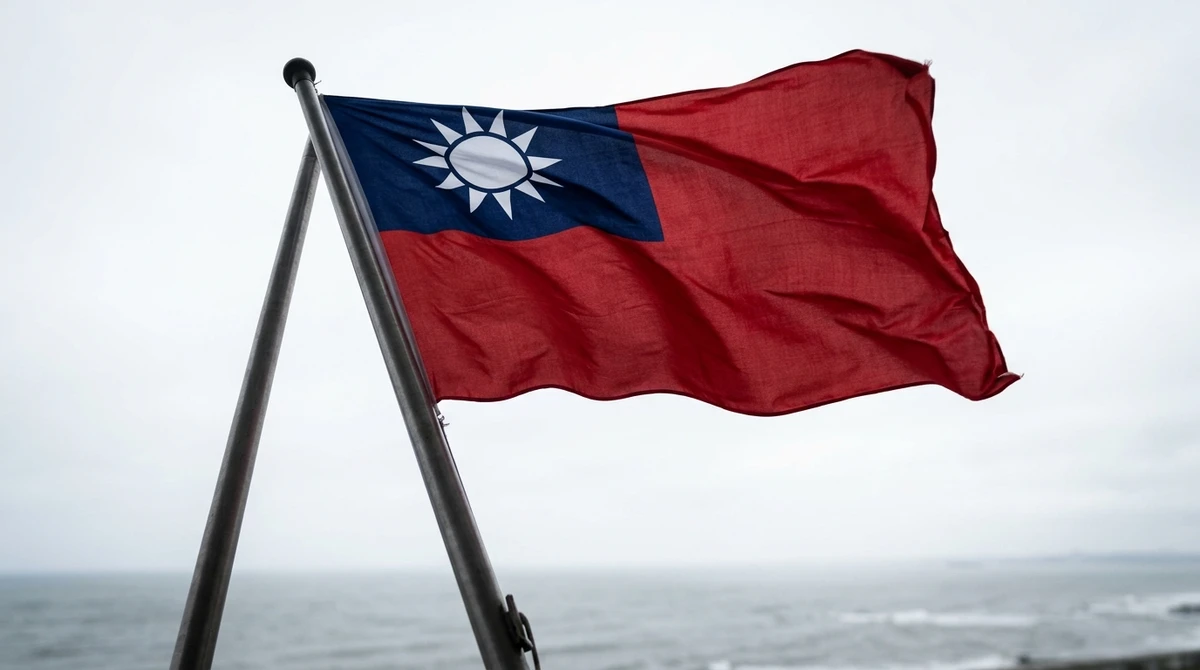
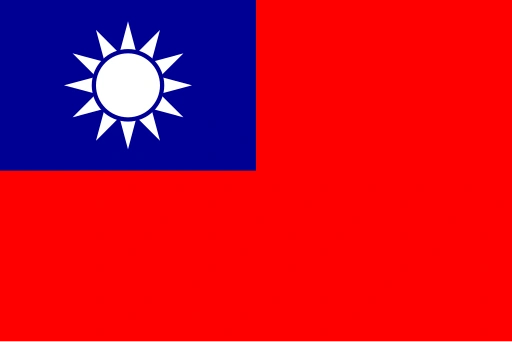
National Flag Adopted 1928
Flag of Taiwan
Aspect ratio2:3
ColorsRed, blue, white
Compare this Country
🇹🇼 Taiwan vs

Strategic Overview in 2026

Strategic Position

The Republic of China (Taiwan) is situated in the Western Pacific, positioned at the center of the First Island Chain between Japan and the Philippines. The primary security concern is the territorial claim by the People’s Republic of China (PRC) and the resulting risk of a cross-strait conflict. Taiwan’s defense strategy centers on the Overall Defense Concept (ODC), which prioritizes asymmetric warfare, cost-effectiveness, and the preservation of force through decentralized command. This "porcupine strategy" focuses on denying a successful amphibious invasion by neutralizing the People's Liberation Army (PLA) at its most vulnerable points during transit and landing.

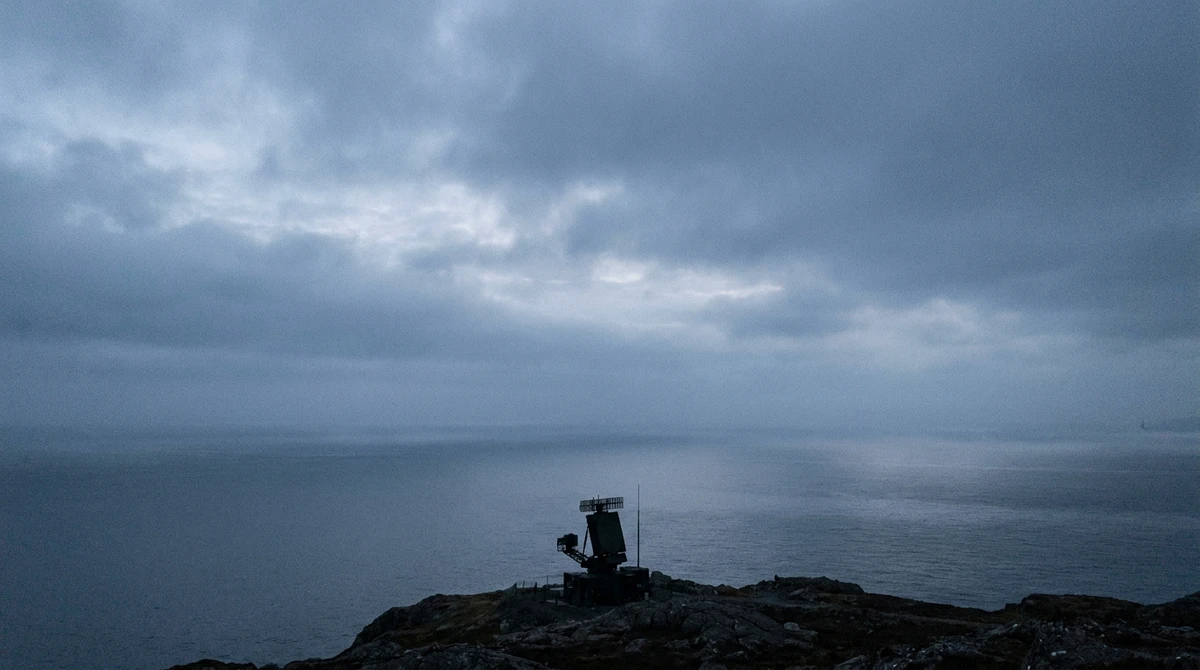
Taiwan lacks formal membership in regional or international military alliances. Security is largely underpinned by the Taiwan Relations Act with the United States, which mandates the provision of defensive weaponry and maintains the capacity of the U.S. to resist any resort to force against Taiwan. In 2025 and 2026, Taiwan has increased informal security cooperation and intelligence sharing with regional partners, including Japan and Australia, particularly concerning maritime domain awareness in the Bashi Channel and Miyako Strait.

Military Forces

The Republic of China Armed Forces are organized under the Ministry of National Defense (MND) and consist of the Army, Navy, Air Force, and the Communications, Electronic and Information Force. Active personnel number approximately 170,000 to 190,000, supported by a reserve structure undergoing reorganization to improve mobilization timelines and training standards for its 2 million registered reservists.

The Army fields M60A3 Patton and CM-11 Brave Tiger tanks, with the integration of M1A2T Abrams main battle tanks ongoing through 2025 and 2026. Infantry units utilize CM-32 and CM-34 Clouded Leopard 8x8 armored vehicles. Artillery capabilities include M109 self-propelled howitzers and the HIMARS multiple launch rocket system.

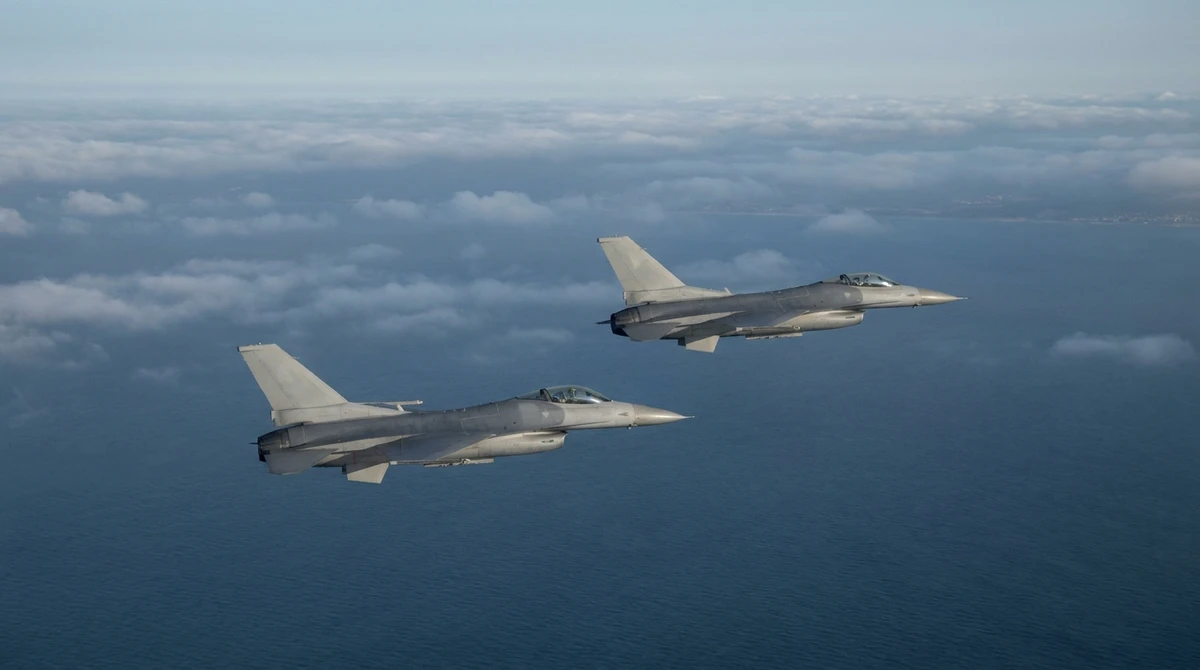
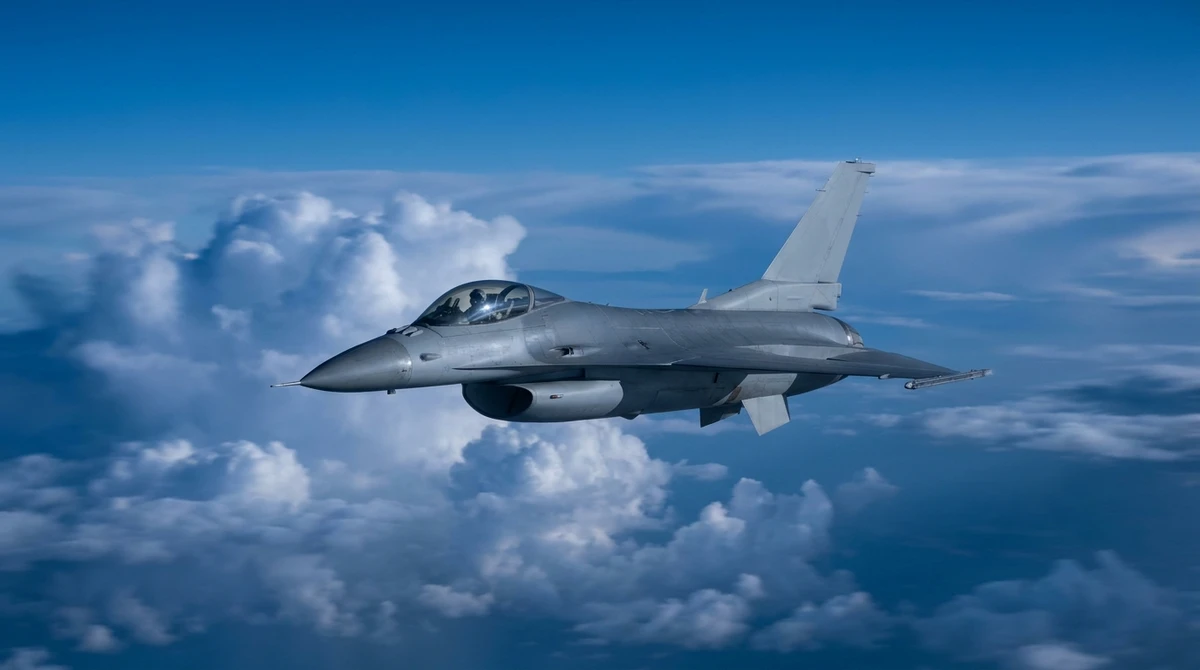
The Air Force operates a fleet of F-16V (Block 20 and Block 70) multirole fighters, Mirage 2000-5 interceptors, and the F-CK-1 Indigenous Defense Fighter (IDF). Pilot training is transitioning to the T-5 Brave Eagle advanced jet trainer. Air defense is integrated through the Sky Bow (Tien Kung) and Patriot (PAC-3) missile systems.

The Navy maintains a fleet of Kee Lung-class destroyers, Cheng Kung-class (Perry-type) frigates, and Kang Ding-class (Lafayette-type) frigates. The fleet is shifting toward smaller, more survivable assets, including Tuo Chiang-class stealth corvettes and missile-armed fast attack craft. The submarine force consists of older Chien Lung-class boats and the new Hai Kun-class indigenous diesel-electric submarines currently undergoing sea trials and commissioning.

Specialized capabilities include the Information, Communication and Electronic Force Command, which manages cyber defense and electronic warfare. The military also maintains a robust missile inventory, including the Hsiung Feng II and III anti-ship missiles and the Yun Feng supersonic cruise missile for deep-strike operations.

Defense Industry

The National Chung-Shan Institute of Science and Technology (NCSIST) serves as the primary entity for domestic research and development. Taiwan achieves a degree of self-sufficiency in missile technology, producing the Sky Bow surface-to-air, Sky Sword air-to-air, and Hsiung Feng anti-ship missile families. The Aerospace Industrial Development Corporation (AIDC) manages the production and maintenance of indigenous aircraft, including the F-CK-1 IDF and the T-5 Brave Eagle.

Shipbuilding is led by the CSBC Corporation, which is responsible for the Indigenous Defense Submarine (IDS) program and the construction of landing platform docks and corvettes. While Taiwan has expanded domestic production, it remains reliant on the United States for critical components, including aircraft engines, advanced radar systems, and submarine combat systems. There are no major export programs, as production is prioritized for domestic requirements.

Strategic Trends

Defense spending in 2025 and 2026 is maintained at approximately 2.5% of GDP, excluding special budgets for fighter aircraft and anti-ship missile mass production. A major doctrinal shift is the implementation of the one-year mandatory conscription period, which became fully operational for all eligible males in 2025 to address personnel shortages and improve the readiness of the territorial defense force.

Procurement priorities focus on mobile, lethal, and distributed systems. This includes the acquisition of MQ-9B SeaGuardian drones, loitering munitions, and land-based Harpoon coastal defense systems. The military is also prioritizing hardened infrastructure and redundant communications to counter PRC "gray zone" tactics, which involve frequent air and naval incursions into Taiwan’s Air Defense Identification Zone (ADIZ) and across the Taiwan Strait median line. Constraints facing the military include a shrinking recruitment pool due to low birth rates and the logistical challenge of maintaining a diverse fleet of aging and modern equipment.
Population, GDP, Inflation and Personnel: World Bank.
Military Expenditure: information from the Stockholm International Peace Research Institute (SIPRI) Military Expenditure Database. Last updated on 22 August 2026. Suggest a change

Taiwanese Defense Manufacturing

Designed in Taiwan
Naval Shipbuilding 8 classes
Jin Chiang Patrol ship / corvetteCheng Kung Guided-missile frigateHai Kun Diesel-electric attack submarineTuo Chiang Coastal corvetteKang Ding General-purpose frigateHai Lung Diesel-electric attack submarineHai Shih Diesel-electric training submarineYushan Landing platform dock
Military Vehicles 2 models
CM11 Brave Tiger Heavy Main Battle TankCM12 Heavy Main Battle Tank
Missile Systems 5 systems
Hsiung Feng III Anti-ShipGabriel / Shiung Feng Anti-ShipTien Chien I Air-to-AirTien Chien II Air-to-AirTien Kung II Surface-to-Air
Firearms 3 models
T65 Assault rifleT86 Assault rifleT91 Assault rifle

In the News

All news →
PLA Air Activity Around Taiwan Halved in 2026, but Its Warships Never Left
AUG 10, 2026

PLA Air Activity Around Taiwan Halved in 2026, but Its Warships Never Left

Chinese military aircraft entering Taiwan's air defense identification zone fell 52 percent in the first seven months of 2026 compared with the same period of 2025, according to Taiwan's daily defense ministry reports — while PLA Navy vessel sightings dropped just 7 percent.

🇨🇳 🇹🇼
2,621 F-16s Still Fly With 27 Air Forces, GlobalMilitary.net Data Shows
AUG 4, 2026

2,621 F-16s Still Fly With 27 Air Forces, GlobalMilitary.net Data Shows

Forty-seven years after entering service, the F-16 remains the most numerous combat aircraft in the world outside China and Russia, with 2,621 airframes active across 27 air forces in GlobalMilitary.net's 2026 inventory data.

🇪🇬 🇬🇷 🇮🇱 🇰🇷 🇵🇰 🇹🇷 🇹🇼 🇺🇦 🇺🇸

Frequently Asked Questions

How large is Taiwan's military?
Taiwan has 169,000 active military personnel with an additional 1,657,000 in reserve. This includes army, navy, and air force service members.
What is Taiwan's defense budget?
Taiwan's annual defense budget is approximately $18.2 billion. This covers personnel costs, equipment procurement, operations, and maintenance of military forces.
How does Taiwan rank militarily in the world?
Taiwan ranks #14 globally on the ATLAS Index with a score of 47.0 out of 100. This composite index measures military capability across manpower, ground forces, naval power, air power, nuclear deterrent, and defense budget, adjusted for equipment quality and readiness.
Does Taiwan have nuclear weapons?
No, Taiwan does not possess nuclear weapons and is a non-nuclear weapon state.
How many aircraft does Taiwan's air force have?
Taiwan operates 713 military aircraft including 319 combat aircraft. The fleet includes fighters, transport planes, helicopters, and training aircraft.
How large is Taiwan's navy?
Taiwan's navy operates 90 vessels including 4 submarines. The fleet includes surface combatants, support ships, and coastal patrol craft.
How many tanks does Taiwan have?
Taiwan operates approximately 1,018 main battle tanks. This figure includes both active inventory and reserve stocks available for mobilization.
What percentage of GDP does Taiwan spend on defense?
Taiwan spends approximately 2.1% of its GDP on defense. This meets the NATO target of 2% of GDP.
Does Taiwan have submarines?
Yes, Taiwan operates 4 submarines. The submarine fleet may include nuclear-powered attack submarines, ballistic missile submarines, and conventional diesel-electric boats depending on the country's naval doctrine.
Does Taiwan have paramilitary forces?
Yes, Taiwan maintains 13,000 paramilitary personnel. These forces typically include gendarmerie, border guards, coast guard, and internal security troops that supplement regular military capabilities.
Latest Data Updates
  1. AUG 222026 Updated Air force service name recorded
  2. AUG 42026 Updated Global Military Index updated in a site-wide editorial pass
  3. AUG 32026 Updated Global Military Index updated
  4. JUL 162026 Updated Global Military Index updated in a site-wide editorial pass
  5. JUN 162026 Updated Yearly statistics, military spending and 2 more fields updated
  6. APR 82026 Updated Paramilitary personnel updated
  7. JAN 212026 Updated Rank insignia updated (92 entries)