GlobalMilitary.net Open-source military intelligence Updated daily
Asia ยท Ankara

Turkey Military Forces

Turkey ranks #10 of 170 militaries worldwide in 2026, with 355,200 active troops. The Turkish Army fields 13,201 ground vehicles, including 2,238 main battle tanks; the Air Force flies 1,357 aircraft, including 299 combat aircraft; the Navy operates 195 warships, including 13 submarines. Turkey has no nuclear weapons of its own, but hosts warheads under a nuclear-sharing arrangement.

World rank #10 ATLAS index 51.0/100
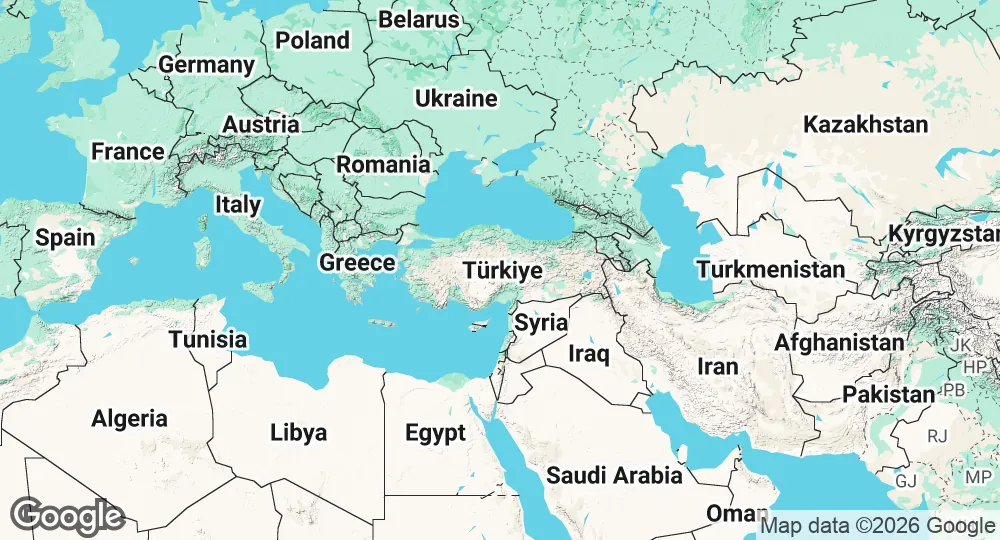
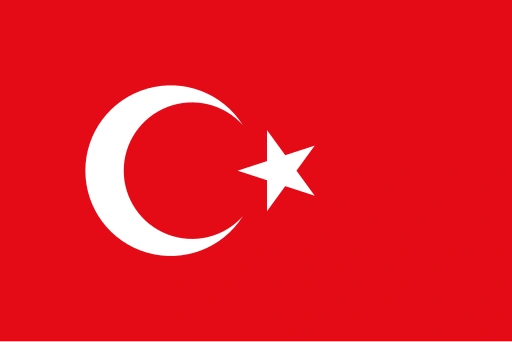
Map of Turkey Flag of Turkey
Active troops
355K
Reserve troops
378K
Defense budget
$31B2025
Share of GDP
2.3%
Population
85.5M2024

Armed Forces in 2026

Domain Strength Composition
Air Force 1,357 aircraft 299 combat 458 helicopters 18 air bases +203 on order
Turkish Navy 195 warships 30 major combatants 13 submarines 7 naval bases
Ground Forces 13,201 vehicles 2,238 main battle tanks
Nuclear Forces Host 20 hosted Air
Personnel 355,200 active 378,700 reserve 156,800 paramilitary

ATLAS Index (Aggregate Total of Land, Air and Sea strength)

Full ranking โ†’
Score & Pillar Breakdown World #10
51.0/ 100
Turkey ranks #10 of 170 in the ATLAS Index (Aggregate Total of Land, Air and Sea strength) with a score of 51.0/100. The ATLAS Index scores Turkey's overall capability on a 0โ€“100 scale from verifiable data across six pillars: manpower, ground forces, naval power, air power, nuclear deterrent and defense budget, each conventional pillar read after the availability proxy of its branch index (budget per point of the force).
Pillar Weight Score Basis
Manpower 10% 67.1 Active, reserve & paramilitary personnel
Ground forces 20% 64.3 ARMS inventory power: armour & artillery by type and era, attack helicopters, armament
Naval power 20% 50.3 SEAS inventory power: hulls by type, size and era, air wing, sustainment, armament
Air power 25% 50.0 AIRS inventory power: aircraft by type and generation, enablers, armament
Nuclear deterrent 10% 3.7 No declared nuclear capability
Defense budget 15% 52.3 Annual spending, purchasing-power adjusted
Availability modifier ground ×1.08 ยท naval ×1.06 ยท air ×1.03 Budget per point of each force, from the branch indexes

Country File

Defense Statistics & Key Metrics
Population85.5M (2024)
GDP$1.4 trillion (2024)
GDP per capita$15,893
Military budget$31B (2025)
Share of GDP2.3% (2025)
Military spending per capita$366 (2025)
Inflation rate58.51% (2024)
Military Budget History
2021 โ€” $13B, 1.60% of GDP $13B 2021 2022 โ€” $13B, 1.40% of GDP $13B 2022 2023 โ€” $17B, 1.50% of GDP $17B 2023 2024 โ€” $29B, 2.10% of GDP $29B 2024 2025 โ€” $31B, 2.30% of GDP $31B 2025
Budget (US$) Share of GDP (0-2.5%)
Share of GDP (line): CIA World Factbook (public domain). Budget in US$ (bars): that share applied to World Bank GDP (CC BY 4.0). Estimates.
Geography
CapitalAnkara
RegionAsia
Land area769,632 kmยฒ
Coastline7,200 km
Land borders2,648 km
Bordering countries8
CurrencyTRY
National Flag Adopted 1936
Flag of Turkey
Aspect ratio2:3
ColorsRed, white
Compare this Country
๐Ÿ‡น๐Ÿ‡ท Turkey vs

Strategic Overview in 2026

Strategic Position

Tรผrkiye maintains a defense posture predicated on its geography at the intersection of Europe, Asia, and the Middle East, exercising sovereign control over the Bosporus and Dardanelles straits under the 1936 Montreux Convention. A member of NATO since 1952, the country provides the alliance's second-largest standing military force. Its strategic doctrine, often referred to as "Blue Homeland" (Mavi Vatan), emphasizes maritime jurisdiction in the Aegean and Eastern Mediterranean, leading to persistent friction with Greece and the Republic of Cyprus.

Primary security concerns involve counter-terrorism operations against the PKK and its affiliates in northern Iraq and Syria, where Tรผrkiye maintains several buffer zones and forward operating bases. Beyond its immediate borders, Tรผrkiye has expanded its military footprint through a permanent base in Qatar, a training facility in Somalia, and a contingent in the Turkish Republic of Northern Cyprus. The country maintains a defense partnership with Azerbaijan, formalized in the 2021 Shusha Declaration, and has recently moved to normalize defense and diplomatic relations with regional powers including Egypt, Saudi Arabia, and the United Arab Emirates.

Military Forces

The Turkish Armed Forces (TSK) consist of the Land Forces, Naval Forces, and Air Forces, coordinated by the General Staff under the Ministry of National Defense. In 2026, the active personnel strength is approximately 480,000, supported by a reserve force of roughly 380,000. The Gendarmerie General Command and Coast Guard Command operate under the Ministry of Interior during peacetime but transition to military command during conflict.

Land Forces: Organized into four field armies (1st, 2nd, 3rd, and the Aegean Army). The inventory includes a fleet of main battle tanks, primarily consisting of Leopard 2A4, M60TM (Sabra), and M60 Patton variants. Serial production of the indigenous Altay main battle tank commenced in late 2025, with initial units entering service in 2026. The army operates self-propelled howitzers, such as the T-155 Fฤฑrtฤฑna, and a diverse array of domestically produced tactical wheeled armored vehicles.

Naval Forces: The fleet is centered on the TCG Anadolu, an amphibious assault ship configured as a drone carrier. Surface combatants include the Barbaros and Gabya-class frigates, as well as the indigenously designed Ada-class corvettes. The MILGEM program continues with the commissioning of ISTIF-class frigates, with multiple hulls launched or undergoing trials in 2025 and 2026. The submarine branch operates Type 209 and Type 214 Reis-class vessels, the latter featuring air-independent propulsion.

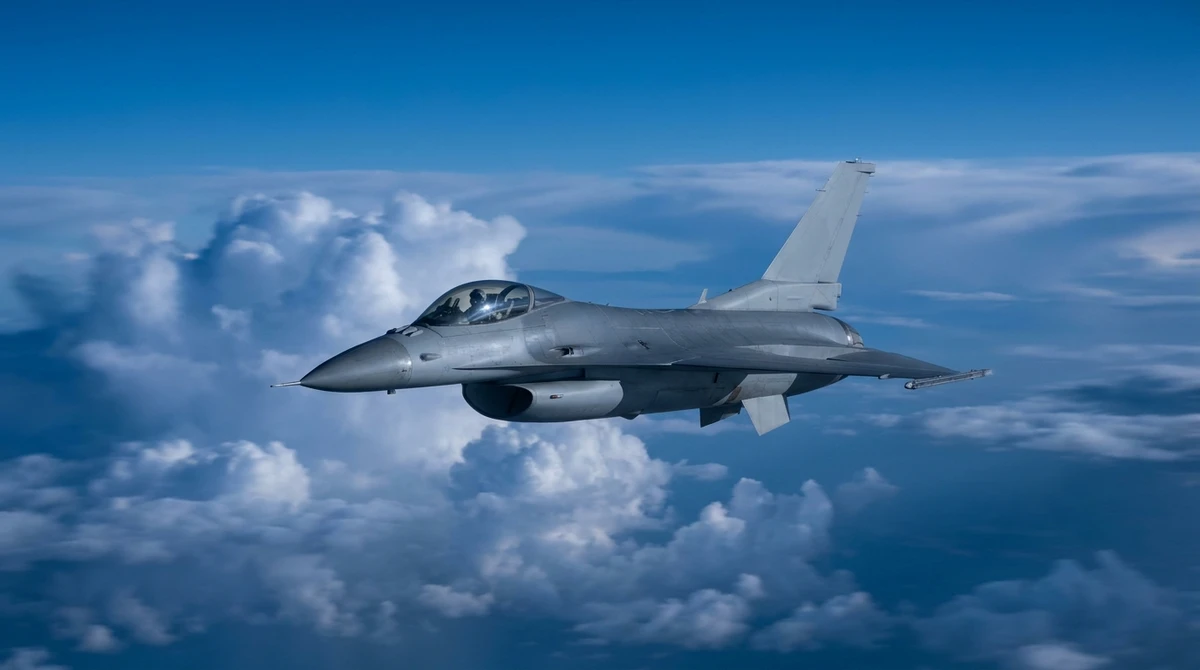
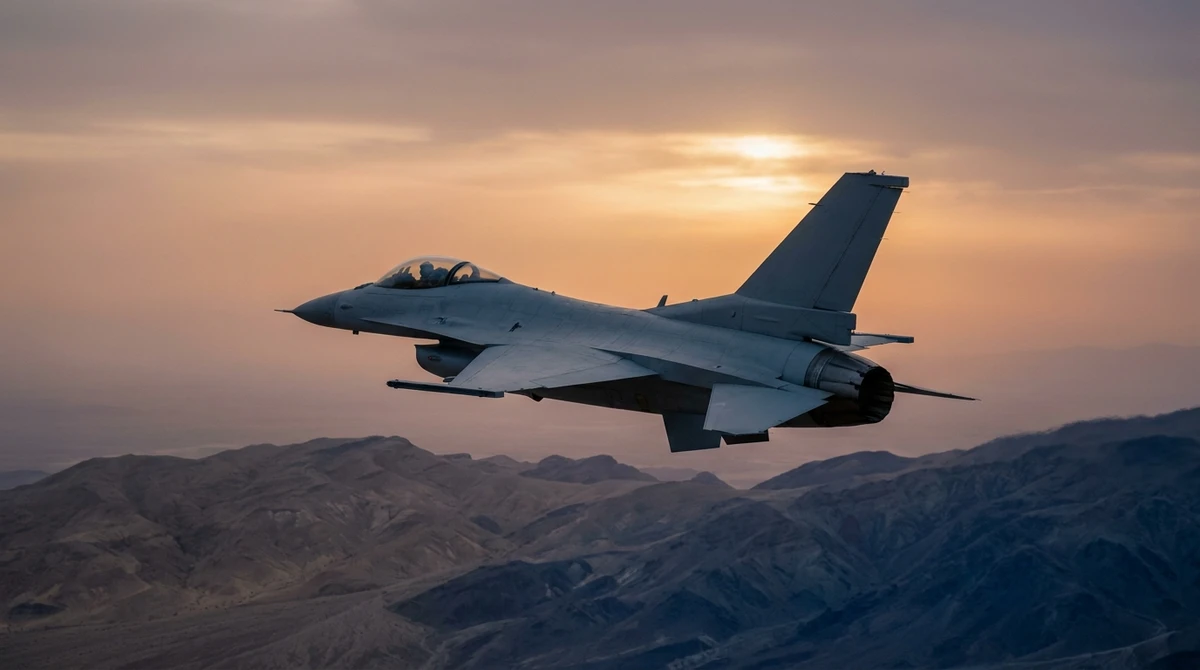
Air Forces: The primary combat capability is centered on a large fleet of F-16 Fighting Falcons. A modernization program (ร–zgรผr) and a procurement agreement for F-16 Block 70 (Viper) kits are underway to sustain the fleet as the KAAN (TF-X) fifth-generation fighter continues its flight testing phase in 2026. Tรผrkiye maintains a substantial inventory of unmanned aerial vehicles (UAVs), including the Bayraktar TB2, Akฤฑncฤฑ, and Anka series, which provide persistent ISR and precision strike capabilities.

Defense Industry

The Turkish defense industry is managed by the Presidency of Defense Industries (SSB) and has achieved a reported self-sufficiency rate of 80% as of 2026. Major state-controlled entities include Aselsan (electronics/sensors), TUSAลž (aerospace), Roketsan (missiles), and Havelsan (software/systems), alongside private firms like Baykar.

Exports reached approximately $8.5 billion in 2025, with projections to exceed $10 billion in 2026. Key export programs include the sale of TB2 and Akฤฑncฤฑ drones to over 30 countries and the delivery of MILGEM-class ships to international clients. Notable domestic projects include the "Steel Dome" (ร‡elik Kubbe) integrated air defense network, which utilizes indigenous systems like the Hisar and Siper missile families. While achieving high autonomy in airframes and electronics, the industry remains in a transition phase regarding propulsion, currently shifting from foreign engines (General Electric, Doosan) to domestic alternatives like the Batu for tanks and TF-6000 for aircraft.

Strategic Trends

The 2026 defense and security budget is approximately $27.3 billion, representing roughly 2.3% of GDP, aligning with NATO spending targets. Modernization priorities are focused on the "Century of Tรผrkiye" initiative, which emphasizes the transition to an all-indigenous inventory and the expansion of autonomous platforms across land, sea, and air domains.

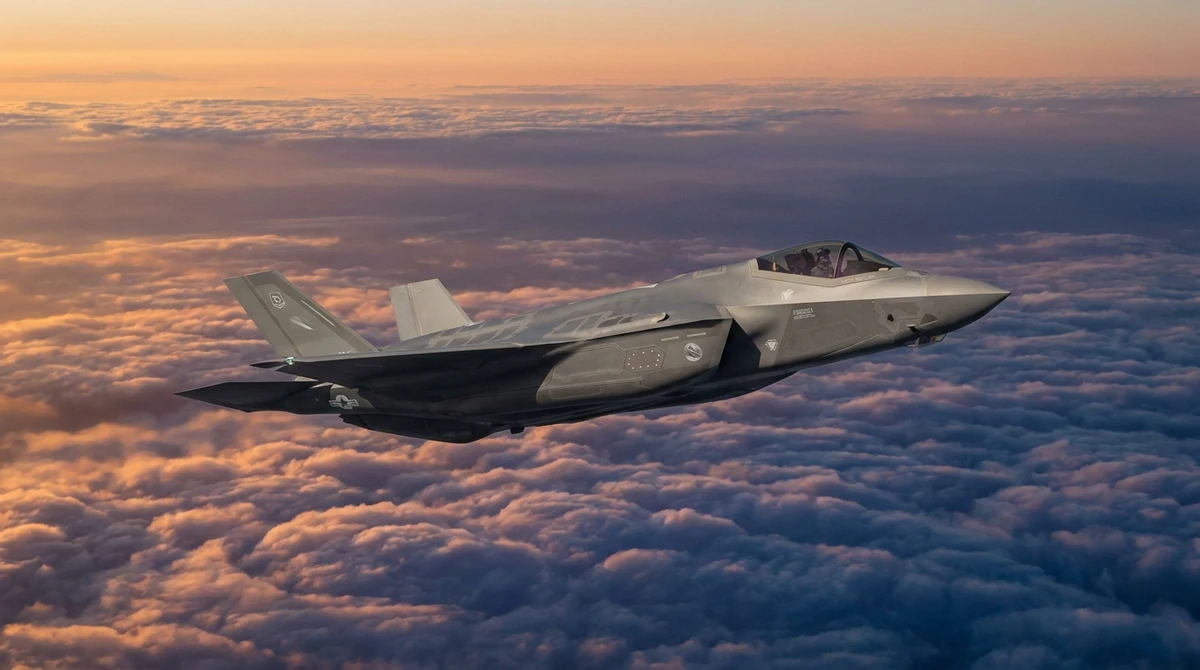
Procurement is increasingly directed toward multi-layered air defense and long-range precision strike capabilities, such as the Atmaca anti-ship missile and Gezgin cruise missile. A major constraint remains the legacy of CAATSA sanctions and exclusion from the F-35 program, though 2025 and 2026 have seen renewed negotiations with the United States regarding a potential return or alternative high-end acquisitions. Future force structure shifts involve the integration of unmanned surface vessels (USVs) like the ULAQ and Marlin into naval operations and the deployment of the Kฤฑzฤฑlelma unmanned combat aircraft.

Population, GDP, Inflation and Personnel: World Bank.
Military Expenditure: CIA World Factbook. Last updated on 11 August 2026. Suggest a change

Turkish Defense Manufacturing

Designed in Turkey
Naval Shipbuilding 8 classes
Kilic Fast attack craftAda Corvetteฤฐstif Multi-role frigateReis Diesel-electric submarineAlemdar Submarine rescue mother shipTCG Anadolu Drone carrier / amphibious assault shipUfuk Signals intelligence gathering vesselULAQ Armed unmanned surface vessel
Military Vehicles 6 models
Kirpi Mine-resistant ambush protected vehicleCobra Infantry mobility vehicle with MRAP capabilitiesEjder Yalcin Infantry mobility vehicle (IMV), MRAPAltay Main battle tankACV-15 Infantry fighting vehicleCobra II Armoured tactical vehicle
Missile Systems 3 systems
Cirit Air-to-SurfaceL-UMTAS Anti-TankSOM Cruise

In the News

All news โ†’
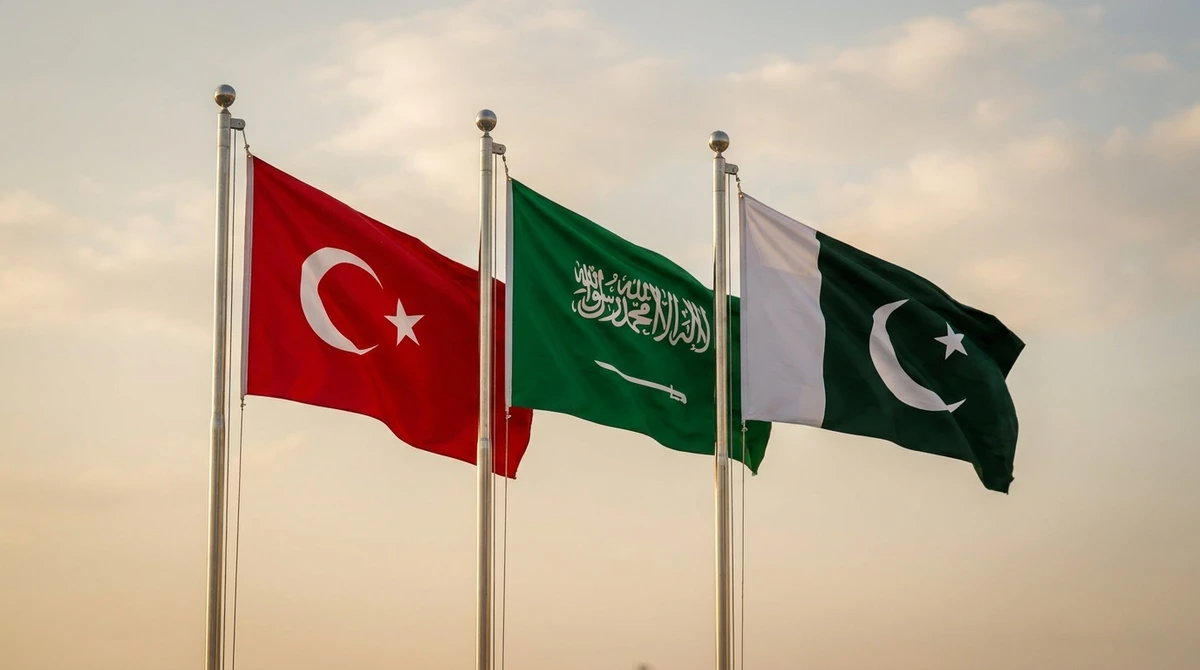
Turkey, Saudi Arabia and Pakistan Sign Mecca Joint Deterrence Agreement
AUG 10, 2026

Turkey, Saudi Arabia and Pakistan Sign Mecca Joint Deterrence Agreement

Signed in Mecca on 7 August 2026 by Erdogan, Mohammed bin Salman and Shehbaz Sharif, the pact treats an armed attack on any one of the three states as an attack on all. Together they field 3,350 military aircraft and 1.27 million active troops.

๐Ÿ‡ต๐Ÿ‡ฐ ๐Ÿ‡ธ๐Ÿ‡ฆ ๐Ÿ‡น๐Ÿ‡ท
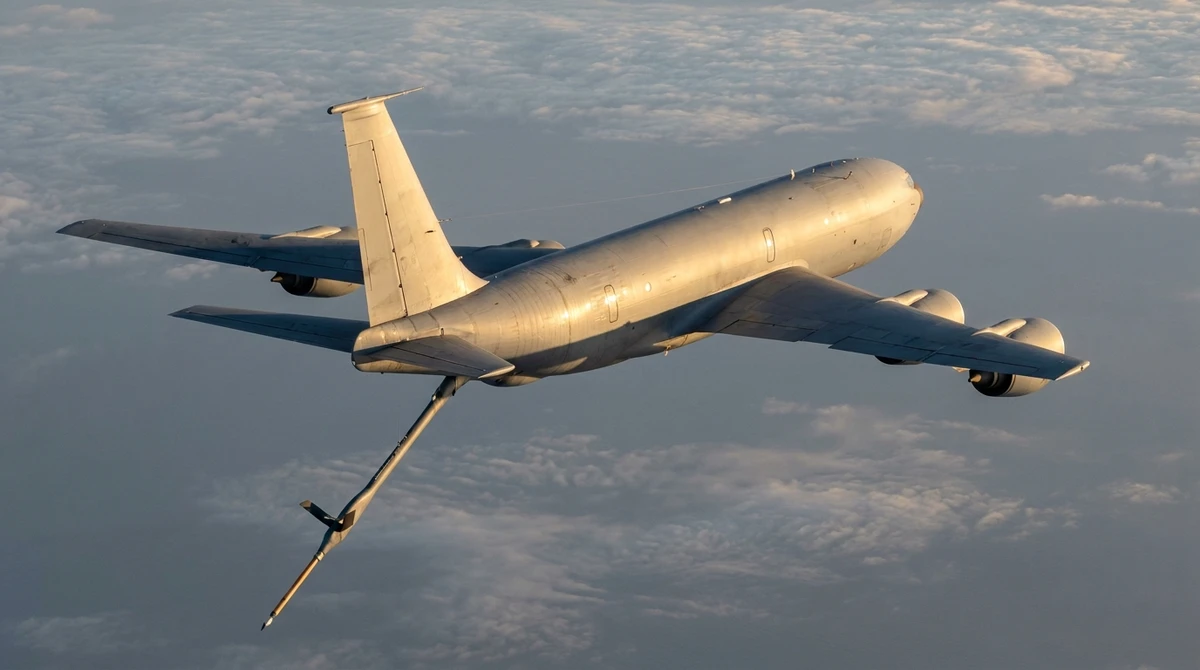
2,621 F-16s Still Fly With 27 Air Forces, GlobalMilitary.net Data Shows
AUG 4, 2026

2,621 F-16s Still Fly With 27 Air Forces, GlobalMilitary.net Data Shows

Forty-seven years after entering service, the F-16 remains the most numerous combat aircraft in the world outside China and Russia, with 2,621 airframes active across 27 air forces in GlobalMilitary.net's 2026 inventory data.

๐Ÿ‡ช๐Ÿ‡ฌ ๐Ÿ‡ฌ๐Ÿ‡ท ๐Ÿ‡ฎ๐Ÿ‡ฑ ๐Ÿ‡ฐ๐Ÿ‡ท ๐Ÿ‡ต๐Ÿ‡ฐ ๐Ÿ‡น๐Ÿ‡ท ๐Ÿ‡น๐Ÿ‡ผ ๐Ÿ‡บ๐Ÿ‡ฆ ๐Ÿ‡บ๐Ÿ‡ธ
Turkey Seeks Russian Consent to Transfer S-400s in Bid to Rejoin F-35 Program
JUL 12, 2026

Turkey Seeks Russian Consent to Transfer S-400s in Bid to Rejoin F-35 Program

The Kremlin confirmed on July 10, 2026 that Moscow and Ankara are discussing the fate of Turkey's S-400 air defense systems, which Turkish media report could be transferred to a Gulf state to unlock Ankara's return to the F-35 program.

๐Ÿ‡ท๐Ÿ‡บ ๐Ÿ‡น๐Ÿ‡ท ๐Ÿ‡บ๐Ÿ‡ธ

Frequently Asked Questions

How large is Turkey's military?
Turkey has 355,200 active military personnel with an additional 378,700 in reserve. This includes army, navy, and air force service members.
What is Turkey's defense budget?
Turkey's annual defense budget is approximately $31.3 billion. This covers personnel costs, equipment procurement, operations, and maintenance of military forces.
How does Turkey rank militarily in the world?
Turkey ranks #10 globally on the ATLAS Index with a score of 51.0 out of 100. This composite index measures military capability across manpower, ground forces, naval power, air power, nuclear deterrent, and defense budget, adjusted for equipment quality and readiness.
Does Turkey have nuclear weapons?
Turkey does not possess its own nuclear weapons but hosts nuclear warheads under NATO nuclear sharing arrangements.
How many aircraft does Turkey's air force have?
Turkey operates 1,357 military aircraft including 299 combat aircraft. The fleet includes fighters, transport planes, helicopters, and training aircraft.
How large is Turkey's navy?
Turkey's navy operates 195 vessels including 13 submarines. The fleet includes surface combatants, support ships, and coastal patrol craft.
How many tanks does Turkey have?
Turkey operates approximately 2,238 main battle tanks. This figure includes both active inventory and reserve stocks available for mobilization.
What percentage of GDP does Turkey spend on defense?
Turkey spends approximately 2.3% of its GDP on defense. This meets the NATO target of 2% of GDP.
What is Turkey's military personnel per capita?
Turkey has approximately 4.2 active military personnel per 1,000 citizens. This ratio reflects the country's military manpower relative to its population of 85,518,661.
Does Turkey have submarines?
Yes, Turkey operates 13 submarines. The submarine fleet may include nuclear-powered attack submarines, ballistic missile submarines, and conventional diesel-electric boats depending on the country's naval doctrine.
Does Turkey have paramilitary forces?
Yes, Turkey maintains 156,800 paramilitary personnel. These forces typically include gendarmerie, border guards, coast guard, and internal security troops that supplement regular military capabilities.
Latest Data Updates
  1. AUG 112026 Updated Global Military Index updated
  2. AUG 42026 Updated Global Military Index updated in a site-wide editorial pass
  3. AUG 32026 Updated Global Military Index updated
  4. JUL 242026 Updated Global Military Index updated
  5. JUL 162026 Updated Global Military Index updated in a site-wide editorial pass
  6. JUN 162026 Updated Yearly statistics, military spending and 2 more fields updated
  7. JAN 232026 Updated Rank insignia updated (5 entries)