India Military Forces ๐ฎ๐ณ
Military Strength Overview
| ๐ฉ๏ธ Air Force | 2,229 active aircraft |
| โ๏ธ Naval forces |
290 ships in fleet
โ incl. 18 submarines and 2 aircraft carriers |
| โข๏ธ Nuclear Arsenal | 180 warheads |
| ๐ช Active Troops | 1,475,750 personnels |
| โ๏ธ Reserve Troops | 1,155,000 personnels |
| ๐ฎโโ๏ธ Paramilitary | 1,616,050 personnels |
| ๐บ๏ธ Air bases | 68 active air bases |
| ๐๏ธ Military ranks | 53 ranks listed |
Global Military Index
| ๐ช Manpower (15%) | 91.5 | Active, reserve & paramilitary: 2538065 effective |
| ๐ก๏ธ Ground Firepower (20%) | 80.5 | Main battle tanks: 4201 |
| โ Naval Power (20%) | 65.1 | Weighted by ship type: carriers, submarines, destroyers... |
| โ๏ธ Air Power (25%) | 73.1 | Weighted by aircraft type: combat, bombers, helicopters... |
| โข๏ธ Nuclear Deterrent (10%) | 56.4 | Strategic arsenal: 180 warheads |
| ๐ฐ Defense Budget (10%) | 75.9 | $86126M annual military spending |
Methodology: Log-scaled composite index using SIPRI, IISS, and GMNET data. Each pillar is normalized to 0-100, then weighted by strategic importance.
Further Reading Ad
Defense Statistics & Key Metrics
| Population | 1.4 billion (2023) |
| GDP | $3.6 trillion (2023) |
| GDP per capita | $2481 (2023) |
| Military Budget | $86.1 billion (2024) |
| Share of GDP in Milex | 2.3% (2024) |
| Share of Govt Expenditures | 7.6% (2024) |
| Military spends per capita | $60 (2024) |
| Inflation Rate | 4.95% (2024) |
| Military Personnel | 3,068,000 (2020) |
Strategic Overview in 2026
Strategic Position
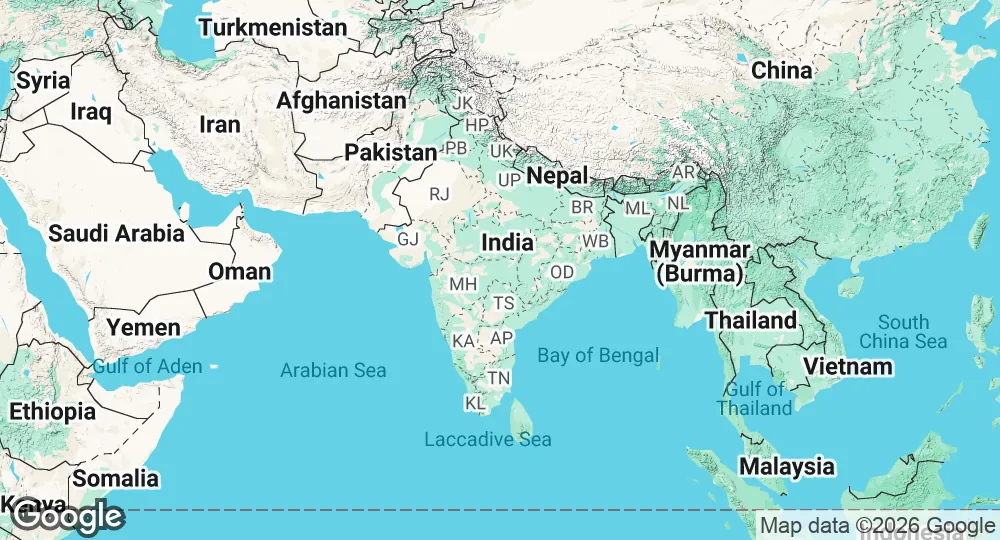
India maintains a defense posture centered on a two-front security environment involving China and Pakistan. The primary territorial concerns are the Line of Actual Control (LAC) in the north and the Line of Control (LoC) in the west. Following disengagement agreements reached in late 2024 at Depsang and Demchok, the northern border remains in a state of monitored stability, though high-density deployments persist. Doctrinally, India adheres to a "No First Use" nuclear policy managed by the Strategic Forces Command.
India is not a member of any formal military alliance but participates in the Quadrilateral Security Dialogue (Quad) with the United States, Japan, and Australia, and the I2U2 Group with Israel, the UAE, and the United States. These partnerships focus on maritime domain awareness and regional stability rather than mutual defense obligations. Strategic priorities include the security of the Indian Ocean Region (IOR), where the Information Fusion Centre โ Indian Ocean Region (IFC-IOR) facilitates multilateral maritime cooperation with over 60 global agencies.
In May 2025, the military executed Operation Sindoor, a proactive counter-terrorism campaign that established what the government defines as a "new normal" for cross-border responses. This shift reflects a move toward more integrated, multi-domain operations intended to deter hybrid and proxy warfare.
Military Forces
The Indian Armed Forces are the worldโs second-largest military by personnel, consisting of approximately 1.4 million active-duty members and 900,000 reserves. The force is structured into three primary branchesโthe Army, Navy, and Air Forceโoverseen by the Chief of Defence Staff (CDS).
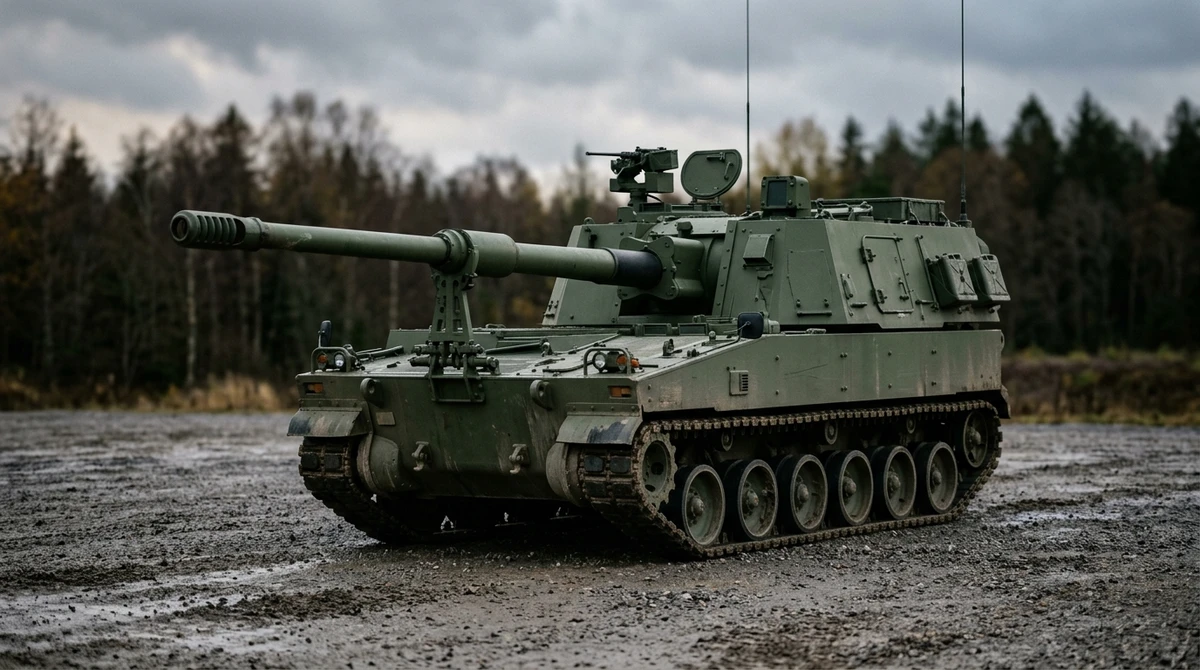
Indian Army: The largest branch, organized into seven geographical and functional commands. It operates a fleet of main battle tanks including the T-90S Bhishma, T-72 Ajeya, and the indigenously developed Arjun. In 2025, the army began testing the Zoravar light tank, designed for high-altitude operations in the Himalayas. Infantry formations are increasingly supported by specialized units such as Rudra Brigades and Bhairav Battalions, which integrate drone and electronic warfare capabilities.
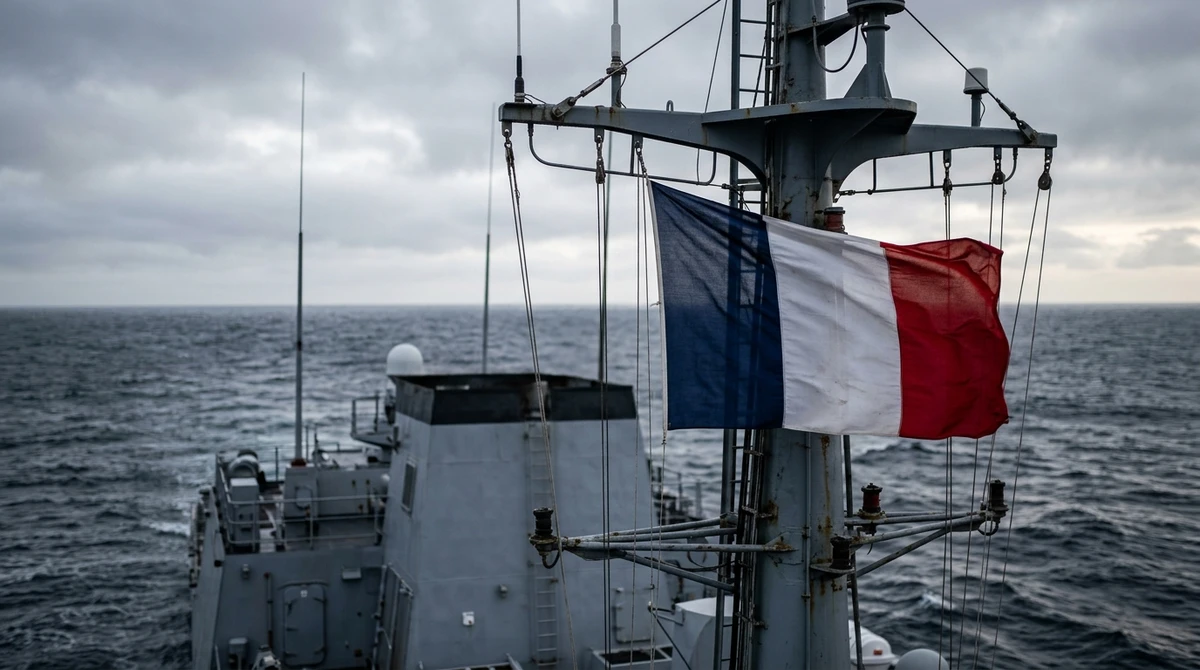
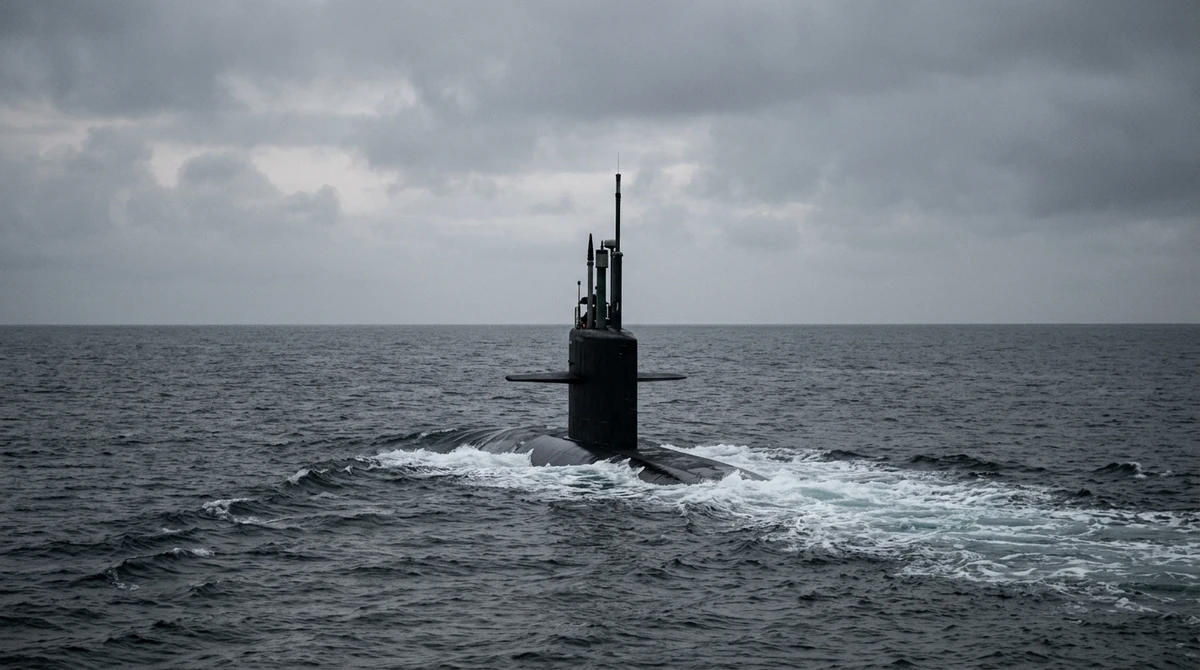
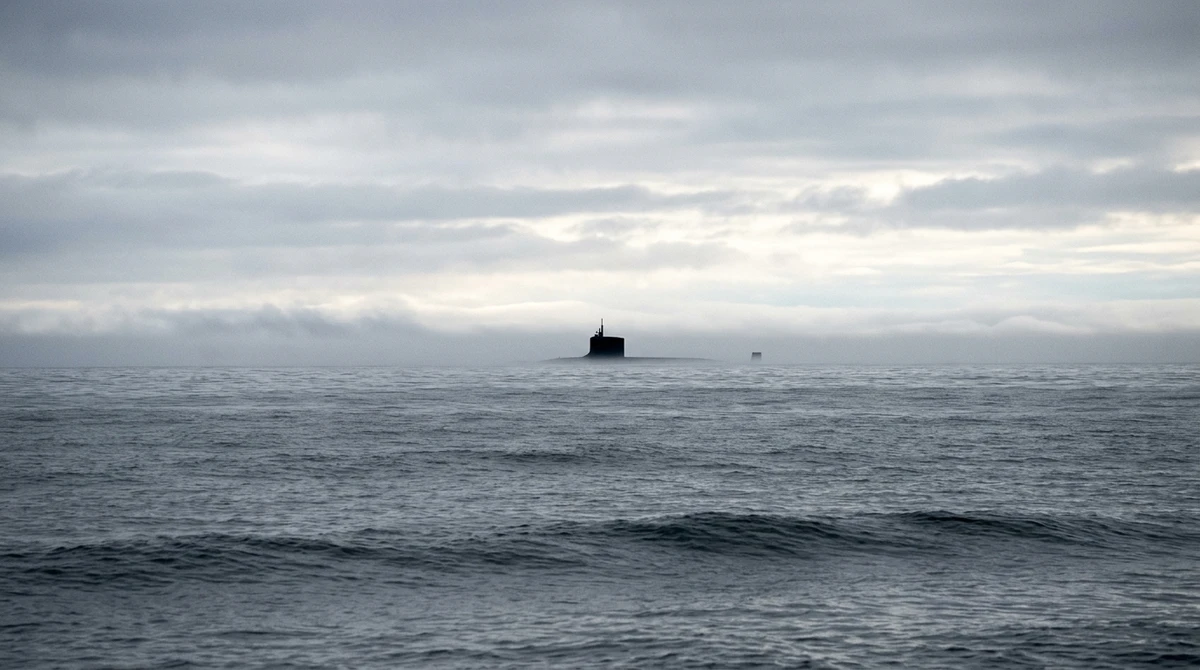
Indian Navy: A blue-water force operating two aircraft carriers, the Vikrant-class and the INS Vikramaditya. The submarine fleet includes Arihant-class nuclear-powered ballistic missile submarines (SSBNs) and Scorpene-class conventional attack submarines. Surface assets include stealth frigates, guided-missile destroyers, and offshore patrol vessels.
Indian Air Force: Operates a multi-role fleet comprising Su-30MKI, Rafale, MiG-29, and Mirage 2000 fighters. The indigenous Tejas Light Combat Aircraft (LCA) Mk1A is currently in production to replace aging squadrons. Transport and logistics are supported by C-17 Globemaster and C-130J Super Hercules aircraft.
Specialized Commands: In addition to branch-specific structures, the military maintains inter-service commands, including the Andaman and Nicobar Command (ANC), the Cyber Agency, and the Space Agency.
Defense Industry
India has implemented the "Atmanirbhar Bharat" (Self-Reliant India) initiative to reduce reliance on foreign military imports. The defense budget for FY 2025-26 earmarks 75% of the modernization outlay for domestic procurement. Primary public sector manufacturers include Hindustan Aeronautics Limited (HAL), Bharat Electronics Limited (BEL), and various Defense Public Sector Undertakings (DPSUs). Private sector participation has increased, with firms such as Tata, Larsen & Toubro, and Mahindra providing components and platforms.
Defense exports reached a record โน23,622 crore (approximately $2.76 billion) in FY 2024-25. Notable programs include the export of BrahMos supersonic cruise missiles to the Philippines and the supply of Akash air defense systems and artillery to various nations in Asia, Africa, and Europe. Despite growth in domestic production, the industry continues to rely on foreign partnerships for high-end technology, including co-production agreements with France and the United States for jet engines and advanced UAVs.
Strategic Trends
The Ministry of Defence designated 2025 as the "Year of Reforms," focusing on "theaterization"โthe reorganization of the 17 existing single-service commands into three or four Integrated Theatre Commands (Maritime, Land-based, and Air Defence). This structural shift aims to improve tri-service synergy and operational efficiency. Concurrently, the Army is transitioning toward Integrated Battle Groups (IBGs). These are agile, brigade-sized formations of 5,000 to 7,000 personnel designed for rapid mobilization within 12 to 48 hours.
The defense budget for FY 2025-26 is approximately โน6.81 trillion ($78 billion), representing 1.9% of GDP. A persistent challenge is the budget's composition: roughly 24% is allocated to military pensions, and 46% to revenue expenditure (salaries and maintenance), which constrains the funds available for new capital acquisitions. To address long-term sustainability, the government introduced the Agnipath scheme, a four-year short-term enlistment model intended to reduce the average age of the force and lower long-term pension liabilities.
Future force development is guided by the Sudarshan Chakra Mission, announced in August 2025. This mission targets the development of predictive warfare technologies, AI-integrated systems, and a comprehensive national security shield to be fully realized by 2035.
Indian Military Budget History
Population and Military Personnel Trends
GDP and Inflation Rate Trends
Indian Aircraft Manufacturing
| Model | Manufacturer | Year | Number |
|---|---|---|---|
| Dhruv | HAL | 1992 | 335 |
| HJT-16 Kiran | HAL | 1964 | 190 |
| HTT-40 | HAL | 2016 | 2 |
| Prachand | HAL | 2010 | 19 |
| Tejas | HAL | 2001 | 38 |
Indian Naval Shipbuilding
| Class | Type |
|---|---|
| Abhay | Corvette |
| Brahmaputra | ASM destroyer |
| Delhi | Missile destroyer |
| Godavari | ASM destroyer |
| Kamorta | Corvette |
| Khukri | Missile corvette |
| Kiev modified | Aircraft carrying cruiser |
| Kolkata | Guided-missile destroyer |
| Kora | Corvette |
| Kumbhir | Tank landing ship |
| Magar | Amphibious warfare vessel |
| Mk IV LCU | Landing craft utility |
| Saryu | Offshore patrol vessel |
| Shardul | Tank landing ship |
| Shivalik | Missile frigate |
| Veer | Corvette |
| Vikramaditya | STOBAR aircraft carrier |
| Vikrant | Aircraft carrier |
| Visakhapatnam | Guided-missile destroyer |
Indian Firearms Development
| Model | Category |
|---|---|
| INSAS | Assault rifle |
| INSAS MSMC | Submachine gun |
Military Expenditure: SIPRI Milex.