Strategic Position
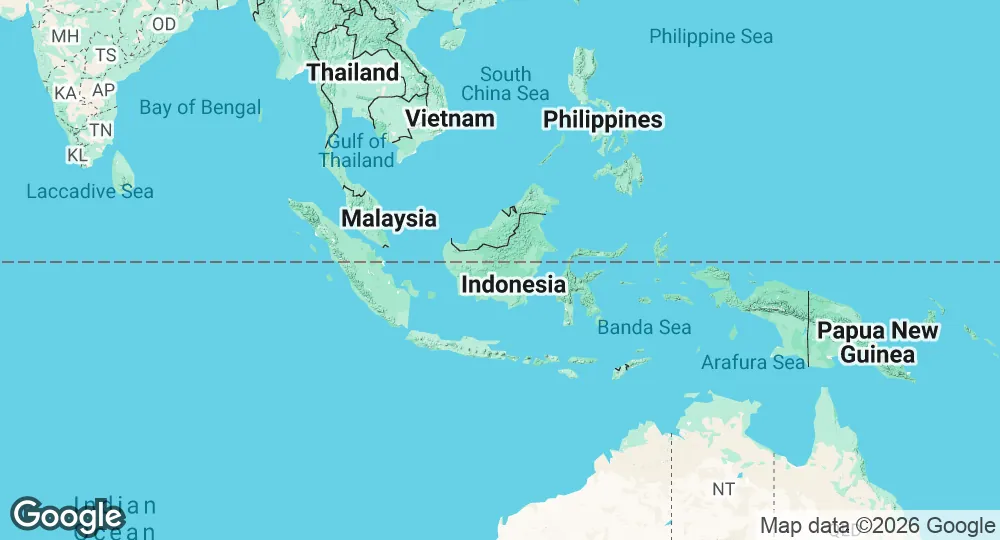
Indonesia occupies an archipelagic position at the intersection of the Indian and Pacific Oceans, controlling several global maritime chokepoints, including the Malacca, Sunda, and Lombok Straits. Defense policy is governed by the doctrine of Sishankamrata (Total People’s Defense), which integrates military and civilian resources to maintain territorial integrity across more than 17,000 islands.
Primary security concerns involve maritime sovereignty in the North Natuna Sea, where Indonesian exclusive economic zones overlap with regional maritime claims. Strategic priorities include maritime domain awareness and the protection of Archipelagic Sea Lanes (ALKI).
Indonesia maintains a "free and active" foreign policy, avoiding formal military alliances in favor of strategic partnerships. In August 2024, Indonesia and Australia signed a treaty-level Defense Cooperation Agreement (DCA) to enhance interoperability and allow for reciprocal military access. This agreement was further extended during bilateral negotiations in early 2026. Indonesia also maintains a Comprehensive Strategic Partnership with the United States and engages in defense technology cooperation with South Korea, France, and Turkey.
Military Forces
The Indonesian National Armed Forces (TNI) comprises approximately 400,000 active-duty personnel. The force is structured into three branches: the Army (TNI-AD), Navy (TNI-AL), and Air Force (TNI-AU), all overseen by the TNI Commander who reports to the President.
The Army is the largest branch and maintains a territorial command structure known as KODAM. As of 2026, the military is undergoing a restructuring that includes the formation of 150 new territorial development battalions annually to secure state assets. The Army fields Leopard 2RI main battle tanks, Harimau medium tanks, and Anoa 6x6 armored personnel carriers. Long-range strike capabilities include the Khan short-range ballistic missile system.
The Navy operates a fleet categorized into three regional commands (KOARMADA I, II, and III). Major surface combatants include Martadinata-class frigates and PKR frigates. In 2025 and 2026, the fleet was expanded with the arrival of the frigates KRI Brawijaya and KRI Prabu Siliwangi. The submarine force includes Type 209/1400 vessels, with Scorpene Evolved diesel-electric submarines currently on order.
The Air Force is undergoing a modernization cycle focused on multi-role fighter capabilities. It operates F-16 variants and Sukhoi Su-27/30 aircraft. Deliveries of the Dassault Rafale began in 2026, with 42 units total on order. The branch also maintains T-50i Golden Eagle lead-in fighter trainers and C-130J-30 Super Hercules transport aircraft. Specialized capabilities include the Kopassus (Army special forces), Denjaka (Navy tactical unit), and Kopasgat (Air Force rapid reaction force).
Defense Industry
Indonesia’s defense industry is consolidated under the state-owned holding company DEFEND ID, which coordinates the activities of PT Pindad (land systems), PT PAL (naval shipbuilding), PT Dirgantara Indonesia (aerospace), PT Dahana (explosives), and PT Len Industri (electronics).
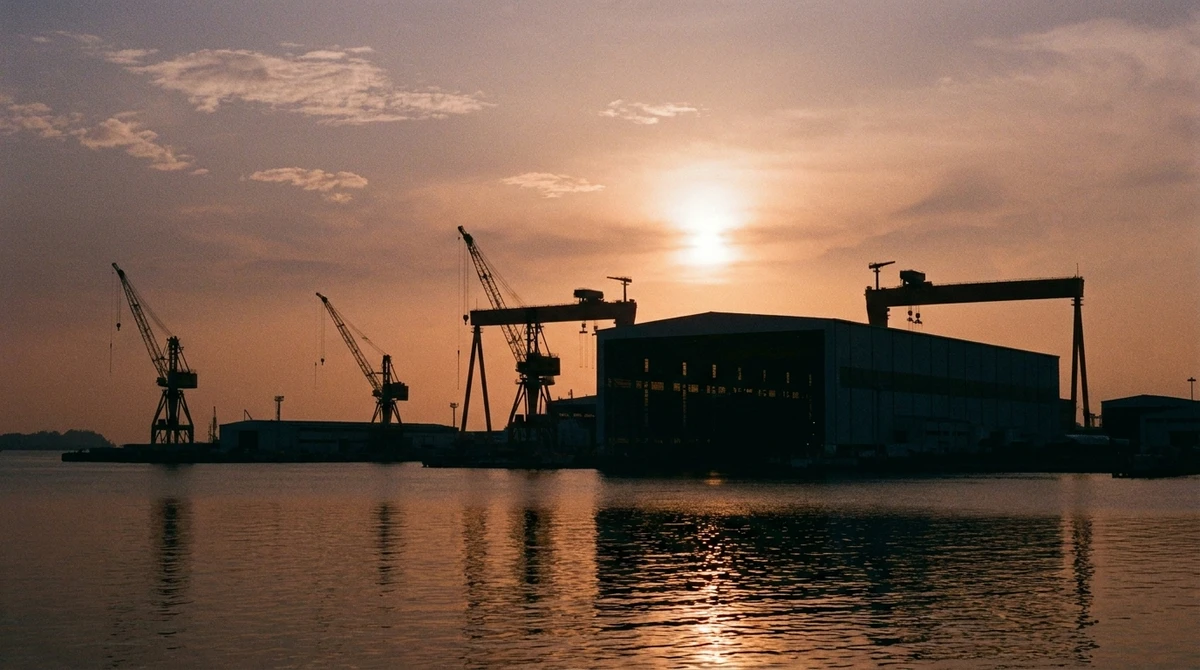
Domestic production includes the Anoa and Komodo armored vehicles, the Harimau medium tank, and the SS series of assault rifles. PT PAL serves as the lead integrator for naval vessels, including the Red White frigate program and domestic submarine maintenance. PT Dirgantara Indonesia (PTDI) produces the CN-235 and NC212i transport aircraft, which are exported to regional and international markets.
In 2025 and 2026, the government increased focus on resource sovereignty, specifically the extraction and processing of rare earth elements to support domestic defense electronics and battery production.
Strategic Trends
The 2026 defense budget reached approximately 335.3 trillion rupiah ($23.4 billion), representing a 37% increase from 2025 projections. This spending aligns with the transition from the "Minimum Essential Force" (MEF) to a new roadmap focused on "Optimum Essential Force."
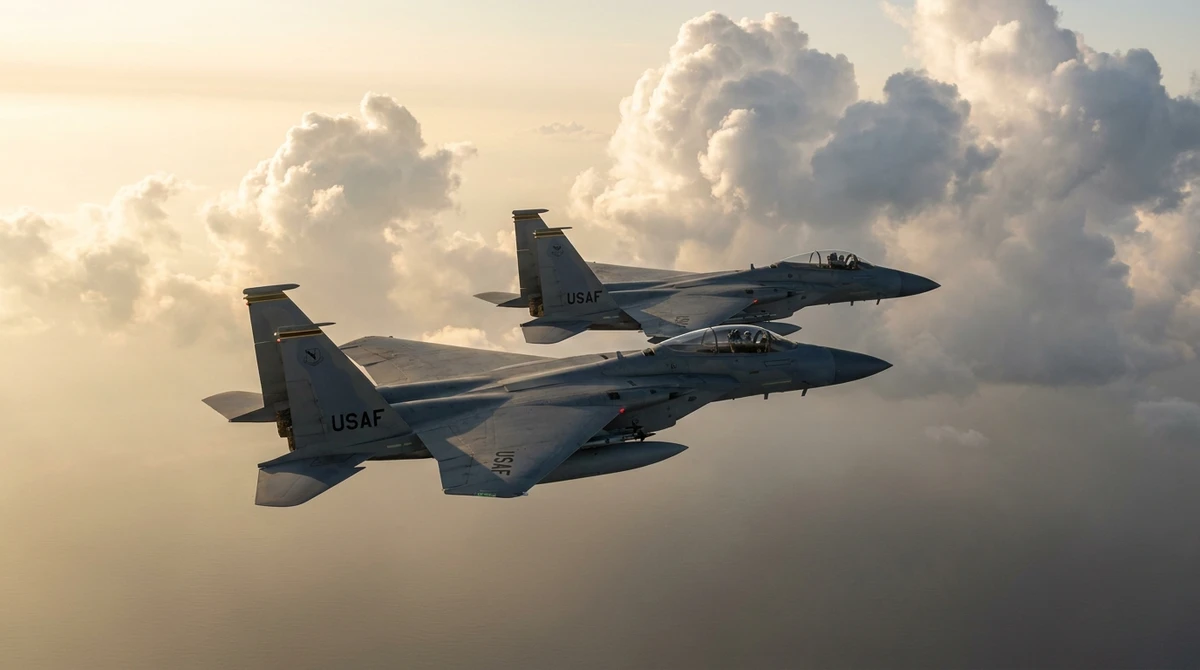
Modernization efforts prioritize the procurement of high-end aerial and naval platforms, including the Rafale and potential F-15IDN acquisitions, alongside indigenous drone development such as the Anka-S program. A notable doctrinal shift involves the expanded role of the military in non-traditional security sectors, including food security and national infrastructure protection.
Constraints facing the military include the logistical challenge of maintaining a diverse inventory of equipment from multiple global suppliers (USA, Russia, France, Turkey, and China) and the fiscal balancing required to sustain rapid modernization alongside large-scale domestic development projects.