Strategic Position
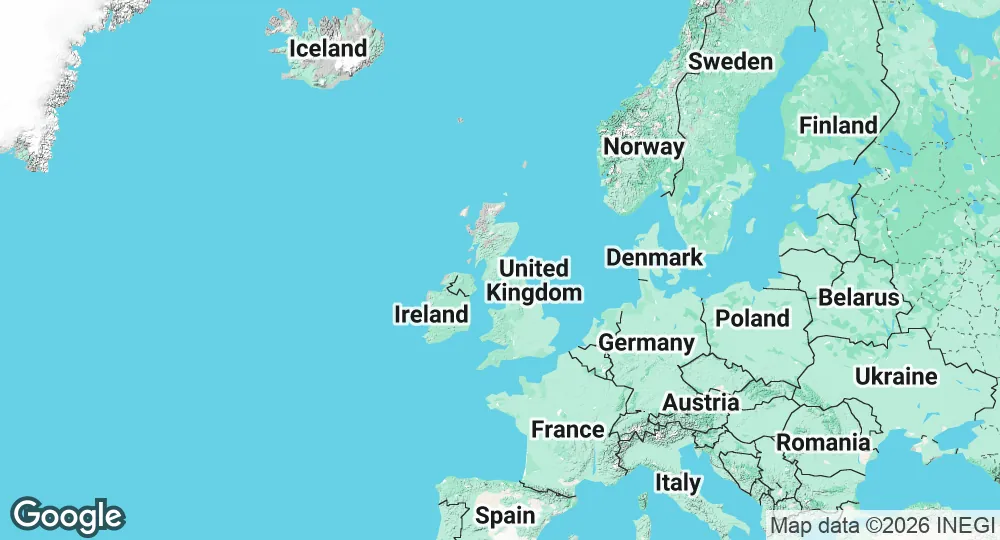
The United Kingdom maintains a defense posture centered on a "NATO-first" policy, as outlined in the Strategic Defence Review (SDR) 2025. This doctrine prioritizes European security and the deterrence of Russian aggression in the Euro-Atlantic region. The UK is a founding member of NATO and maintains the Continuous At-Sea Deterrent (CASD), providing a sovereign nuclear umbrella for the alliance.
Primary security concerns include state-based threats from Russia and China, as well as evolving challenges in cyberspace and undersea infrastructure. Geopolitically, the UK utilizes the AUKUS security pact with the United States and Australia to develop nuclear-powered submarines and advanced technologies. Other regional frameworks include the Joint Expeditionary Force (JEF) and the Five Power Defence Arrangements (FPDA). The 2025 Lunna House agreement with Norway further formalizes maritime security cooperation in the North Atlantic, particularly regarding anti-submarine warfare.
Military Forces
The British Armed Forces are overseen by the Ministry of Defence (MoD) and consist of the Royal Navy, the British Army, and the Royal Air Force (RAF). As of April 2025, the total full-time personnel strength is approximately 147,300, with an additional 30,000 in the volunteer reserves.
British Army: The army is organized into two primary maneuver formations: the 3rd (UK) Division, which operates as a heavy tracked force, and the 1st (UK) Division, configured as a wheeled expeditionary force. Equipment modernization focuses on the Challenger 3 main battle tank, the Ajax family of tracked reconnaissance vehicles, and the Boxer 8x8 wheeled armored vehicle. The army also operates AS90 self-propelled howitzers and the Jackal 3 high-mobility transport vehicle.
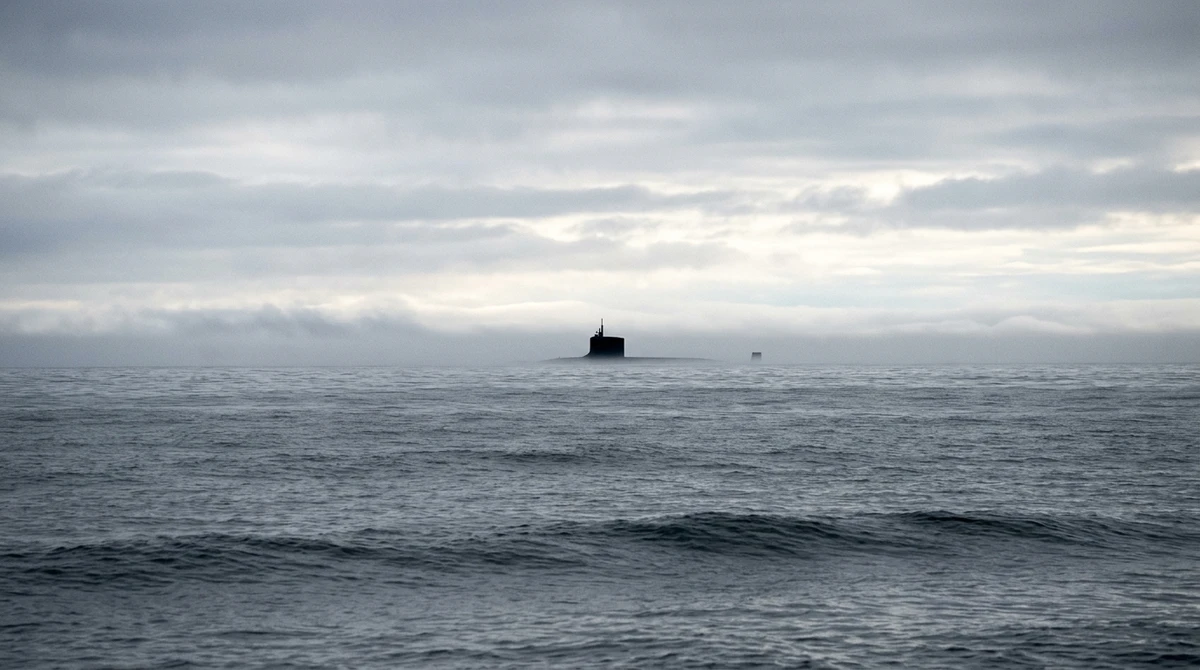
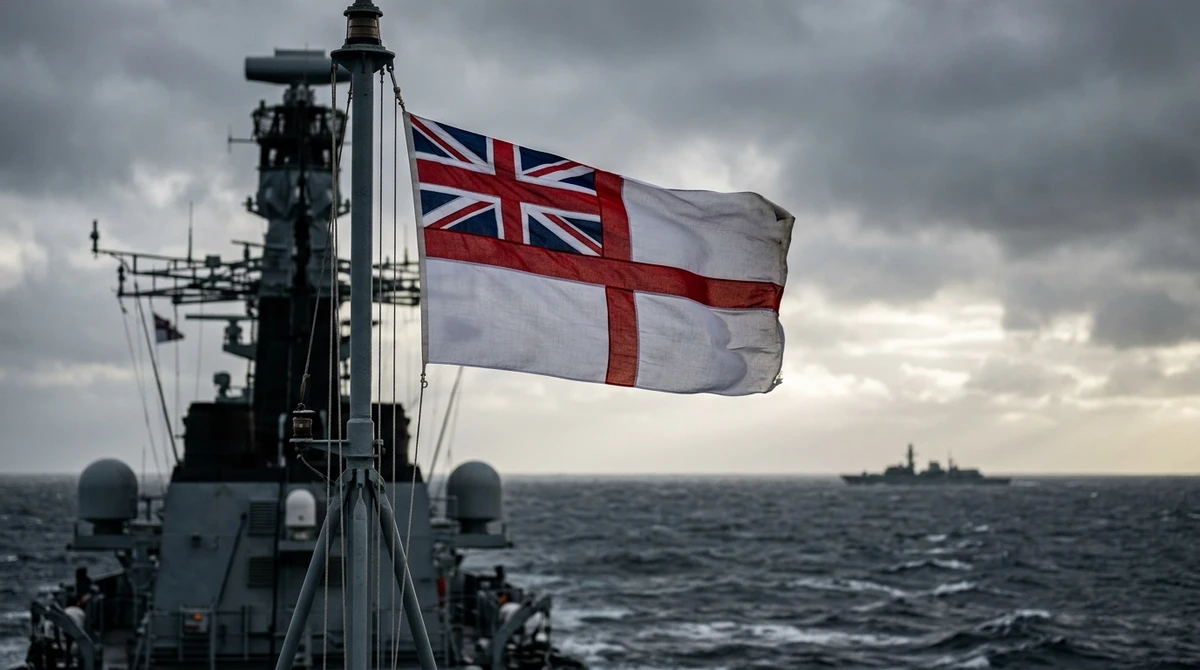
Royal Navy: The fleet is centered on two Queen Elizabeth-class aircraft carriers. Surface combatants include Type 45 destroyers and Type 23 frigates, which are being replaced by the Type 26 City-class and Type 31 Inspiration-class frigates. Submarine capabilities include Astute-class nuclear-powered attack submarines and Vanguard-class ballistic missile submarines. The Royal Marines serve as the dedicated amphibious commando force.
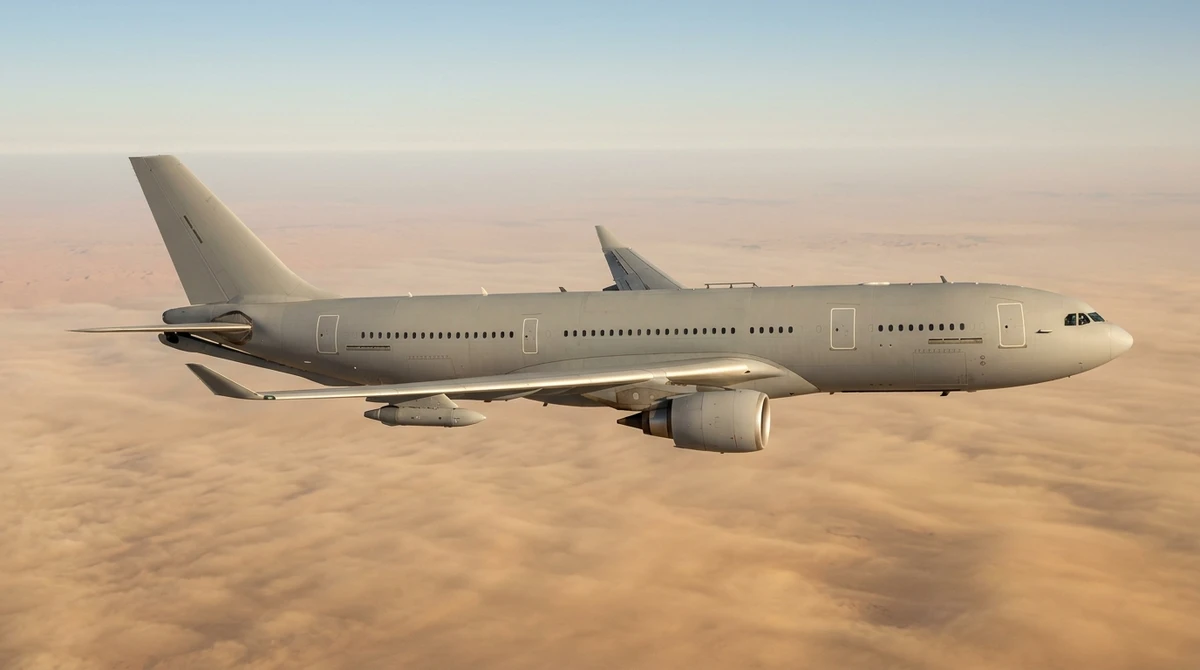
Royal Air Force: The RAF operates a combat fleet composed of Eurofighter Typhoon multirole fighters and F-35B Lightning II stealth aircraft. Strategic airlift is provided by C-17 Globemaster III and A400M Atlas aircraft, while the P-8A Poseidon manages maritime patrol. Development of the Global Combat Air Programme (GCAP) is underway to produce the Tempest sixth-generation fighter.
Specialized Capabilities: UK Special Forces include the Special Air Service (SAS) and Special Boat Service (SBS). Strategic Command manages the UK’s offensive and defensive cyber capabilities, including the National Cyber Force.
Defense Industry
The United Kingdom maintains a substantive domestic defense industry, led by major contractors such as BAE Systems, Rolls-Royce, Babcock International, and MBDA UK. Domestic production covers nuclear submarines (Barrow-in-Furness), warship construction (Glasgow and Rosyth), and aerospace manufacturing (Lancashire).
The industry achieved record export success in 2025, securing deals worth over £20 billion. This included a £10 billion contract to supply Type 26 frigates to Norway and an £8 billion agreement for Typhoon fighter jets to Turkey. The UK remains a key partner in international co-production, specifically for the F-35 program and the tri-national GCAP initiative with Italy and Japan. While the MoD seeks to increase sovereign manufacturing of munitions and armored vehicles, it remains reliant on the United States for certain high-end systems and components.
Strategic Trends
The Strategic Defence Review 2025 introduced a shift toward "warfighting readiness" and the integration of autonomous systems. Defense spending is projected to reach 2.3% of GDP for the 2025-26 period, with a stated target of 2.5% by 2027 and an eventual ambition of 3%.
Modernization priorities include the Dreadnought-class ballistic missile submarines and the introduction of a Digital Targeting Web by 2027 to network sensors and shooters across all domains. A new Defence Uncrewed Systems Centre, established in early 2026, focuses on the rapid adoption of drone technology. Constraints facing the military include a workforce crisis characterized by recruitment and retention deficits, as well as the need to manage equipment gaps during the transition from legacy platforms to next-generation systems.