GlobalMilitary.net Open-source military intelligence Updated daily
Europe · Madrid

Spain Military Forces

Spain ranks #23 of 170 militaries worldwide in 2026, with 120,350 active troops. The Spanish Army fields 6,152 ground vehicles, including 317 main battle tanks; the Air Force flies 509 aircraft, including 178 combat aircraft; the Navy operates 87 warships, including 2 submarines. Spain has no nuclear weapons.

World rank #23 ATLAS index 41.6/100
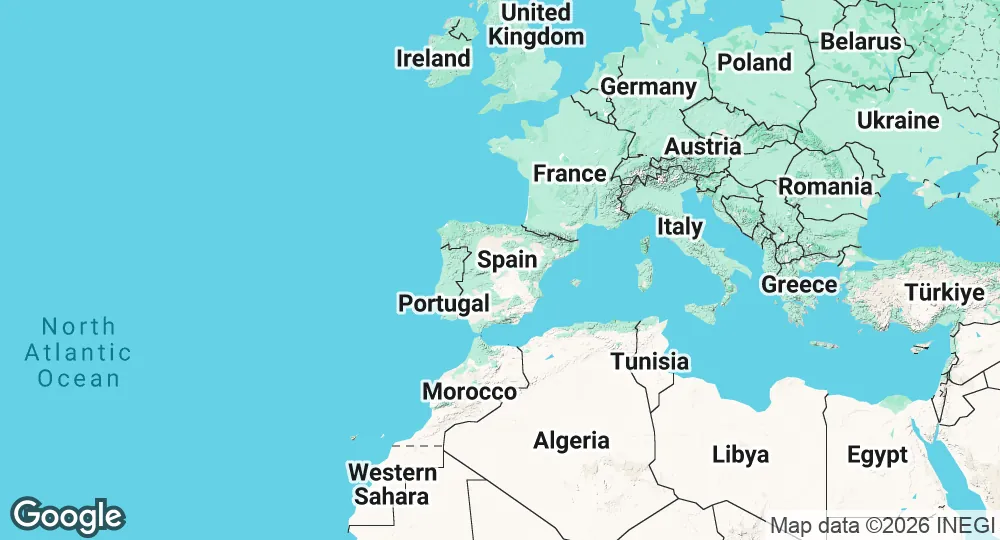
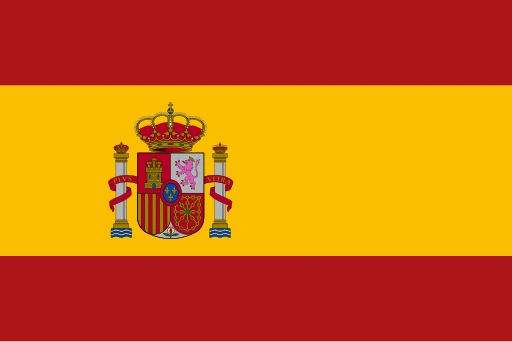
Map of Spain Flag of Spain
Active troops
120K
Reserve troops
15K
Defense budget
$35B2025
Share of GDP
2.0%
Population
48.8M2024

Armed Forces in 2026

Domain Strength Composition
Spanish Air and Space Force 509 aircraft 178 combat 178 helicopters 28 air bases +207 on order
Spanish Navy 87 warships 13 major combatants 2 submarines 5 naval bases
Ground Forces 6,152 vehicles 317 main battle tanks
Personnel 120,350 active 15,150 reserve 87,450 paramilitary

ATLAS Index (Aggregate Total of Land, Air and Sea strength)

Full ranking →
Score & Pillar Breakdown World #23
41.6/ 100
Spain ranks #23 of 170 in the ATLAS Index (Aggregate Total of Land, Air and Sea strength) with a score of 41.6/100. The ATLAS Index scores Spain's overall capability on a 0–100 scale from verifiable data across six pillars: manpower, ground forces, naval power, air power, nuclear deterrent and defense budget, each conventional pillar read after the availability proxy of its branch index (budget per point of the force).
Pillar Weight Score Basis
Manpower 10% 48.9 Active, reserve & paramilitary personnel
Ground forces 20% 46.7 ARMS inventory power: armour & artillery by type and era, attack helicopters, armament
Naval power 20% 44.2 SEAS inventory power: hulls by type, size and era, air wing, sustainment, armament
Air power 25% 43.5 AIRS inventory power: aircraft by type and generation, enablers, armament
Nuclear deterrent 10% 0.0 No declared nuclear capability
Defense budget 15% 48.0 Annual spending, purchasing-power adjusted
Availability modifier ground ×1.17 · naval ×1.09 · air ×1.07 Budget per point of each force, from the branch indexes

Country File

Defense Statistics & Key Metrics
Population48.8M (2024)
GDP$1.7 trillion (2024)
GDP per capita$35,327
Military budget$35B (2025)
Share of GDP2.0% (2025)
Military spending per capita$707 (2025)
Inflation rate2.77% (2024)
Military Budget History
2021 — $15B, 1.00% of GDP $15B 2021 2022 — $16B, 1.10% of GDP $16B 2022 2023 — $19B, 1.20% of GDP $19B 2023 2024 — $24B, 1.40% of GDP $24B 2024 2025 — $35B, 2.00% of GDP $35B 2025
Budget (US$) Share of GDP (0-2%)
Share of GDP (line): CIA World Factbook (public domain). Budget in US$ (bars): that share applied to World Bank GDP (CC BY 4.0). Estimates.
Geography
CapitalMadrid
RegionEurope
Land area498,980 km²
Coastline4,964 km
Land borders1,918 km
Bordering countries5
CurrencyEUR
National Flag Adopted 1981
Flag of Spain
Aspect ratio2:3
ColorsRed, yellow
Compare this Country
🇪🇸 Spain vs

Strategic Overview in 2026

Strategic Position

Spain is situated at the intersection of the Mediterranean Sea and the Atlantic Ocean, controlling the northern shore of the Strait of Gibraltar. This geographic location defines its primary security priorities as maritime security, stability in the Maghreb and Sahel regions, and the protection of its territorial integrity, specifically the North African enclaves of Ceuta and Melilla and the Canary Islands.

Spain has been a member of NATO since 1982 and is a member of the European Union. Its defense posture is further defined by the bilateral Agreement on Defense Cooperation with the United States, which grants the U.S. military access to the Rota Naval Base and Morón Air Base. Under a 2023 amendment to this agreement, the U.S. Navy presence at Rota is expanding to a total of six Aegis-equipped destroyers, with the final vessels arriving in 2025 and 2026.

Spanish defense doctrine increasingly emphasizes the "Southern Flank" of NATO, focusing on threats from non-state actors, irregular migration, and regional instability in North Africa. Spain maintains active participation in international missions, with approximately 4,000 personnel deployed in 2026 across operations in Lebanon, the Indian Ocean, and NATO’s eastern flank in Eastern Europe.

Military Forces

The Spanish Armed Forces (Fuerzas Armadas) are organized into the Army, the Navy, and the Air and Space Force. Specialized branches include the Military Emergencies Unit (UME), which manages domestic disaster response, and the Royal Guard. The Civil Guard (Guardia Civil) serves as a paramilitary force under the Ministry of Defense during national emergencies or overseas deployments.

Personnel Active military personnel number approximately 122,000, with an additional 80,000 members in the Civil Guard. A recruitment plan initiated in 2025 aims to increase the professional force by several thousand personnel over the next decade to meet expanded cyber, space, and international commitments.

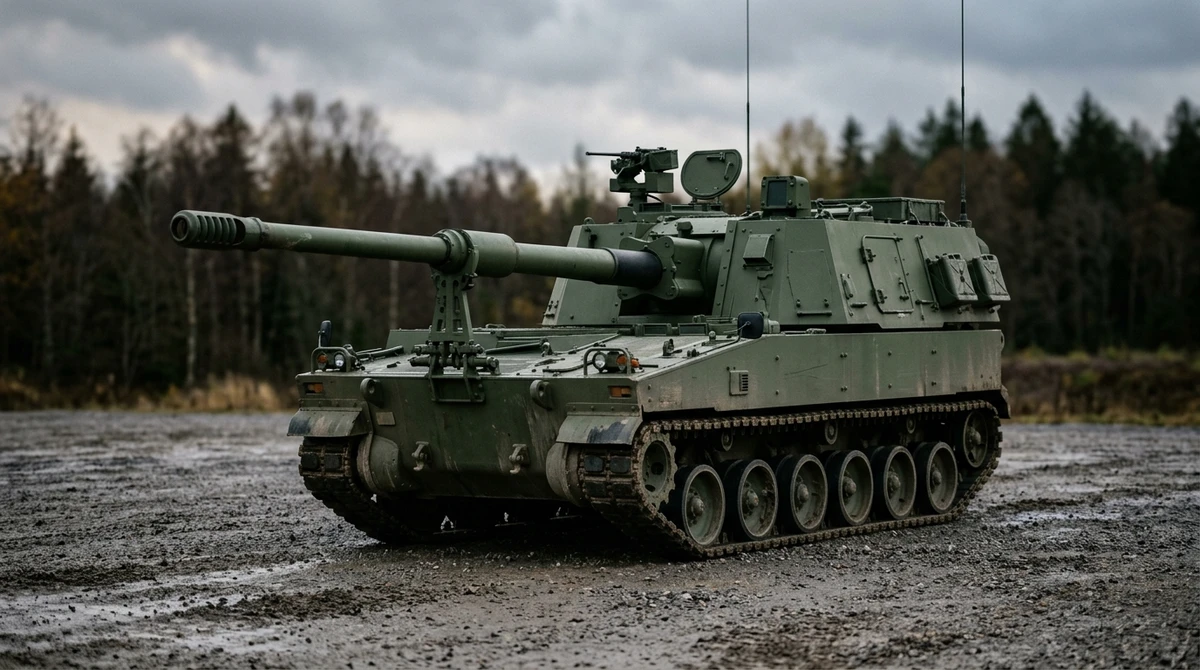
Army (Ejército de Tierra) The Army operates Leopard 2E main battle tanks and Pizarro infantry fighting vehicles. It is currently undergoing a structural transition focused on the "Force 2035" concept, which introduces the Dragon 8x8 Wheeled Combat Vehicle (VCR) as the primary platform for medium brigades. Artillery capabilities include M109A5E self-propelled howitzers and towed 155mm systems.

Navy (Armada) The fleet's flagship is the Juan Carlos I, a multi-purpose amphibious assault ship and aircraft carrier. Surface combatants include F-100 Álvaro de Bazán-class frigates equipped with the Aegis Combat System. Submarine capabilities are provided by the S-80 Plus Isaac Peral-class, featuring air-independent propulsion (AIP). The Marine Infantry (Infantería de Marina) operates as a specialized naval landing force.

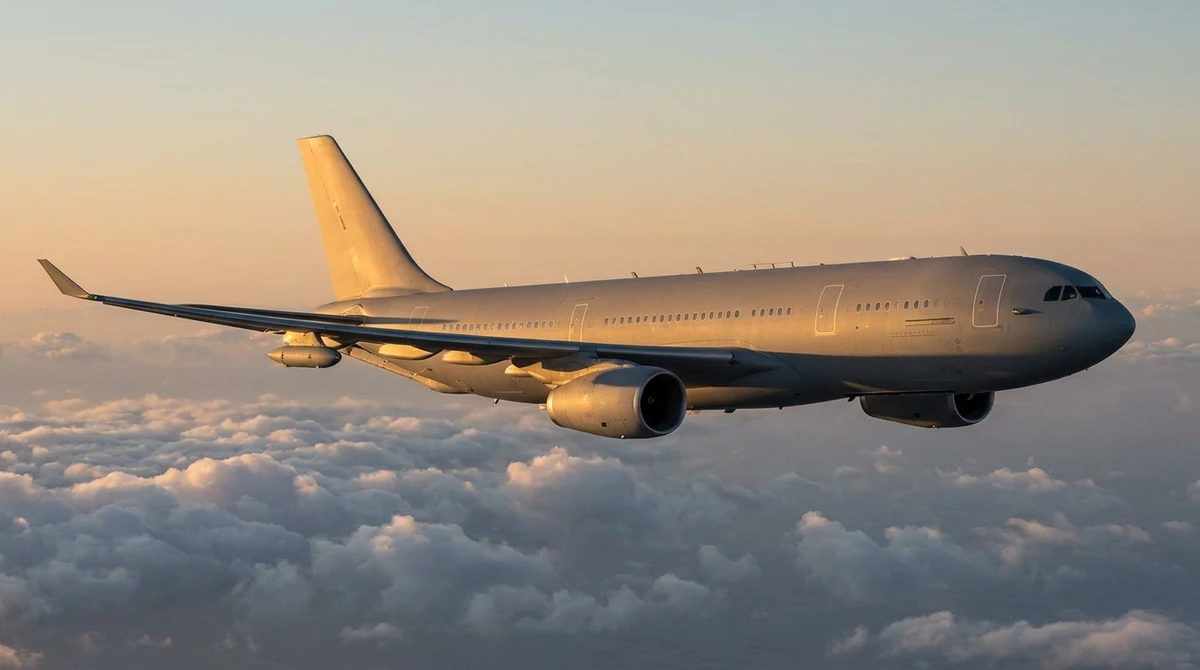
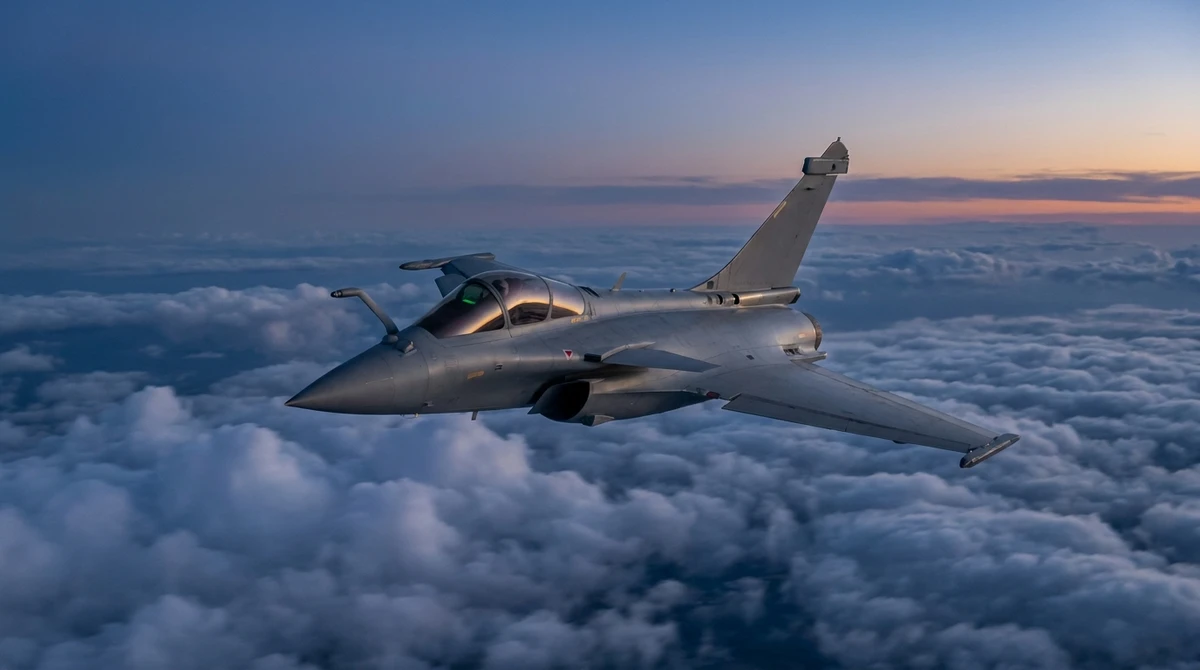
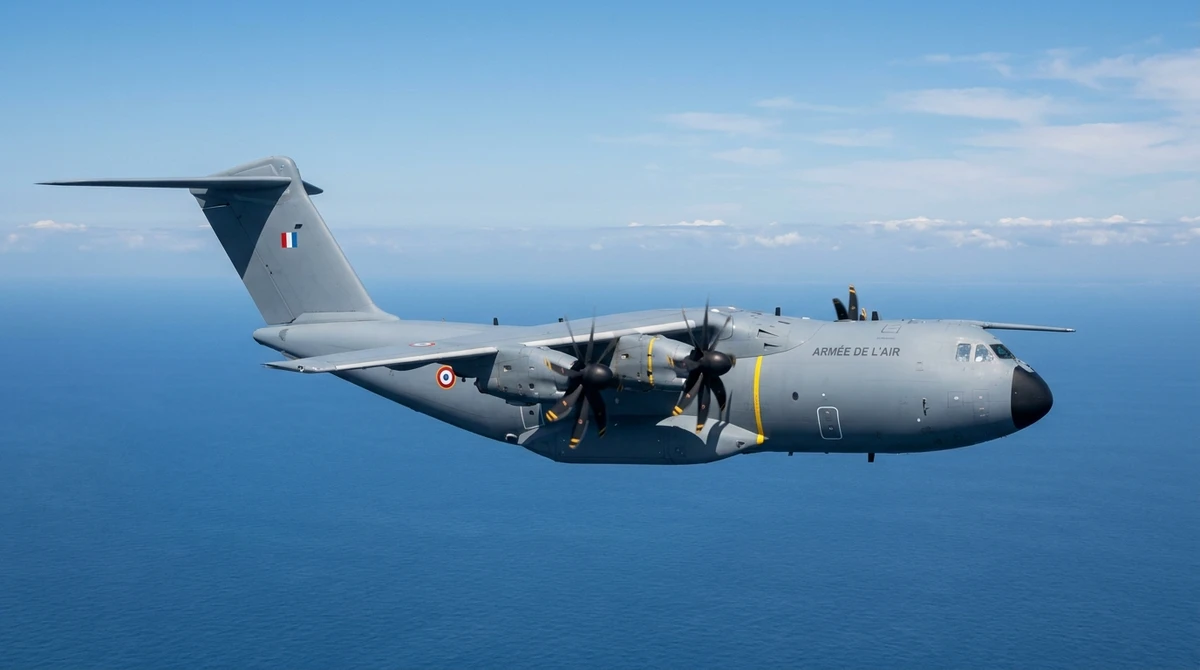
Air and Space Force (Ejército del Aire y del Espacio) The combat fleet consists of Eurofighter Typhoon and EF-18 Hornet fighters. Strategic transport is provided by the A400M Atlas. In 2025, the branch increased its focus on space situational awareness and satellite operations. Specialized units include the Special Air Warfare Squadron (EZAPAC).

Defense Industry

The Spanish defense sector is highly integrated with European and transatlantic programs. Major domestic manufacturers include:

  • Navantia: A state-owned shipbuilder producing the F-100 and F-110 frigates and S-80 submarines. It is a major exporter, providing naval designs and vessels to Australia, Saudi Arabia, and Norway.

  • Indra: A primary contractor for electronics, radar, and cybersecurity. Indra is the national industrial lead for the Future Combat Air System (FCAS) and recently established a joint venture with the UAE-based EDGE Group in 2026 to produce loitering munitions in León.

  • Santa Bárbara Sistemas: A subsidiary of General Dynamics Land Systems that manufactures the Pizarro and Dragon 8x8 vehicles.

  • Airbus: Spain hosts the final assembly line for the A400M transport aircraft in Seville and produces components for the Eurofighter Typhoon.

Strategic Trends

Spanish defense spending reached approximately 2% of GDP in 2025, fulfilling a long-term NATO commitment. This budgetary shift supports a series of large-scale procurement and modernization programs scheduled through 2030.

Current procurement priorities include:

  • FCAS/NGWS: Collaboration with France and Germany to develop a sixth-generation fighter system.

  • Project Halcón: The acquisition of additional Eurofighter Typhoons to replace the aging EF-18 fleet.

  • Artillery Modernization: A program launched in 2025 to procure 214 new wheeled and tracked self-propelled howitzers.

  • Tracked Support Vehicle (VAC): Development of a multi-purpose platform to replace the M113 fleet.

Digital transformation is a central pillar of recent strategy, including the "Digital Shield" initiative. This program allocates funding for encrypted telecommunications, artificial intelligence, and quantum computing to enhance military cybersecurity and electronic warfare capabilities. Environmental factors also influence force structure, with increased investment in dual-use equipment for the UME to combat climate-related emergencies such as wildfires and flooding.
Population, GDP, Inflation and Personnel: World Bank.
Military Expenditure: CIA World Factbook. Last updated on 12 August 2026. Suggest a change

Spanish Defense Manufacturing

Designed in Spain
Naval Shipbuilding 15 classes
Avante 2200 CorvetteDescubierta CorvetteBAM Offshore patrol vesselSanta María Guided-missile frigateSegura MinehunterF110 Bonifaz Guided-missile frigateÁlvaro de Bazán Guided-missile frigateJuan Carlos I Amphibious assault shipHobart Guided-missile destroyerCanberra Landing helicopter dockGalicia Landing platform dockS-80 Plus Submarine with air-independent propulsionSupply Replenishment oilerCantabria Replenishment oilerPrincipe De Asturias Light aircraft carrier
Military Vehicles 1 model
URO VAMTAC Multi-purpose armored vehicle
Missile Systems 1 system
Meteor Air-to-Air
Firearms 4 models
CETME Assault rifleCETME Ameli Machine gunStar Z-62 Submachine gunStar Z-84 Submachine gun

In the News

All news →

Frequently Asked Questions

How large is Spain's military?
Spain has 120,350 active military personnel with an additional 15,150 in reserve. This includes army, navy, and air force service members.
What is Spain's defense budget?
Spain's annual defense budget is approximately $34.5 billion. This covers personnel costs, equipment procurement, operations, and maintenance of military forces.
How does Spain rank militarily in the world?
Spain ranks #23 globally on the ATLAS Index with a score of 41.6 out of 100. This composite index measures military capability across manpower, ground forces, naval power, air power, nuclear deterrent, and defense budget, adjusted for equipment quality and readiness.
Does Spain have nuclear weapons?
No, Spain does not possess nuclear weapons and is a non-nuclear weapon state.
How many aircraft does Spain's air force have?
Spain operates 509 military aircraft including 178 combat aircraft. The fleet includes fighters, transport planes, helicopters, and training aircraft.
How large is Spain's navy?
Spain's navy operates 87 vessels including 2 submarines. The fleet includes surface combatants, support ships, and coastal patrol craft.
How many tanks does Spain have?
Spain operates approximately 317 main battle tanks. This figure includes both active inventory and reserve stocks available for mobilization.
What percentage of GDP does Spain spend on defense?
Spain spends approximately 2.0% of its GDP on defense. This meets the NATO target of 2% of GDP.
What is Spain's military personnel per capita?
Spain has approximately 2.5 active military personnel per 1,000 citizens. This ratio reflects the country's military manpower relative to its population of 48,848,840.
Does Spain have submarines?
Yes, Spain operates 2 submarines. The submarine fleet may include nuclear-powered attack submarines, ballistic missile submarines, and conventional diesel-electric boats depending on the country's naval doctrine.
Does Spain have paramilitary forces?
Yes, Spain maintains 87,450 paramilitary personnel. These forces typically include gendarmerie, border guards, coast guard, and internal security troops that supplement regular military capabilities.
Latest Data Updates
  1. AUG 122026 Updated Global Military Index updated
  2. AUG 42026 Updated Global Military Index updated in a site-wide editorial pass
  3. JUL 162026 Updated Global Military Index updated in a site-wide editorial pass
  4. JUN 162026 Updated Yearly statistics, military spending and 2 more fields updated
  5. MAR 172026 Updated Paramilitary personnel updated
  6. JAN 212026 Updated Rank insignia updated (70 entries)
  7. JAN 172026 Updated Main battle tank count and Global Military Index updated