Strategic Position
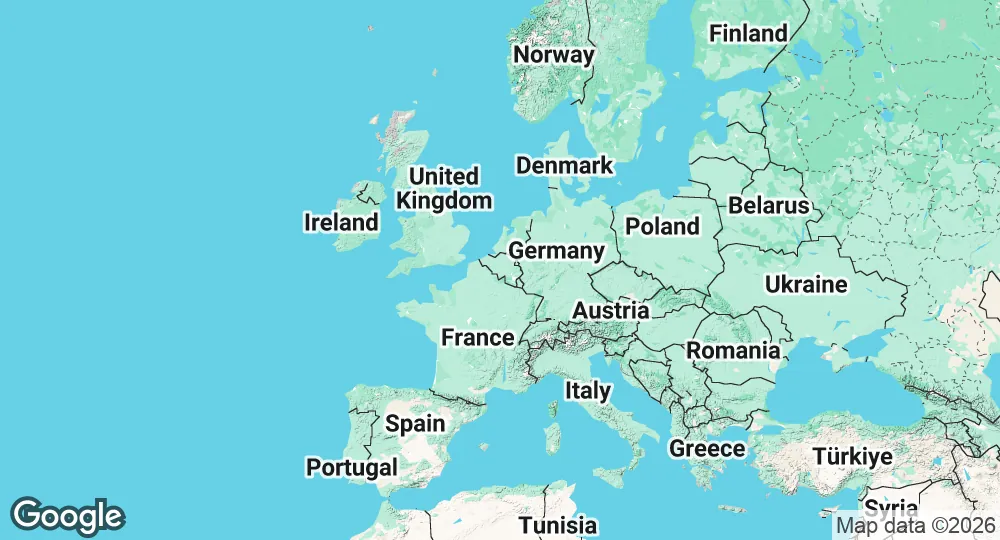
Belgium serves as the host nation for the headquarters of both NATO and the European Union, a factor that defines its primary security role as a provider of logistical and host-nation support. Its defense doctrine is oriented toward collective security within these multilateral frameworks. The 2025 Strategic Vision report emphasizes a shift from expeditionary crisis management to high-readiness deterrence and territorial defense in response to the European security environment.
Regional defense is characterized by deep integration with neighboring states. The Belgian and Dutch navies operate under a single integrated command, the Admiral Benelux (ABNL), sharing personnel, training, and procurement programs. In the land domain, the Motorized Capacity (CaMo) partnership with France integrates Belgian units into French Army structures for doctrine, training, and equipment standardization. Belgium also participates in the Benelux Union and the Permanent Structured Cooperation (PESCO) initiatives of the EU.
Military Forces
The Belgian Defence is a single-structure organization comprising five components: Land, Air, Marine, Medical, and Cyber. As of early 2026, active personnel numbers are approximately 26,000, with a structured plan to expand the force to 34,500 by 2035. A voluntary military service year for young adults was launched in 2026 to bolster recruitment and establish an operational reserve.
The Land Component is structured around a Medium Brigade and a Special Operations Regiment. It does not operate main battle tanks, having transitioned to a fleet of wheeled armored vehicles. Equipment includes Piranha IIIC and Dingo 2 vehicles, which are currently being supplemented by Griffon multi-role armored vehicles and Jaguar reconnaissance and combat vehicles under the CaMo program. Field artillery is centered on the Caesar self-propelled howitzer.
The Air Component is undergoing a transition from the F-16 Fighting Falcon to the F-35A Lightning II. The first home-based squadron of F-35A aircraft reached Florennes Air Base in late 2025. Transport requirements are met by a fleet of A400M aircraft operated within a binational unit with Luxembourg. Unmanned capabilities include the MQ-9B SkyGuardian. To address air defense gaps, Belgium ordered NASAMS and Skyranger systems in 2025 and 2026.
The Marine Component specializes in mine countermeasures (MCM) and anti-submarine warfare (ASW). It is currently receiving the City-class (rMCM) vessels, with BNS Oostende delivered in 2025 and BNS Tournai scheduled for 2026. These vessels utilize a toolbox of autonomous surface and underwater drones. The surface fleet also includes Karel Doorman-class frigates, which are slated for replacement by new ASW frigates in cooperation with the Netherlands.
The Cyber Force, established as a full component in recent years, manages offensive and defensive cyber operations, electronic warfare, and intelligence.
Defense Industry
Belgium maintains a specialized defense industrial base focused on small arms, armored vehicle turrets, and aerospace components. FN Herstal is a primary supplier of small arms and integrated weapon stations to NATO members. John Cockerill Defense (formerly CMI) produces advanced turret systems and light armored vehicle technologies.
The aerospace sector is represented by companies such as Sabca and Sonaca, which provide maintenance and component manufacturing for the F-35 and A400M programs. OIP Sensor Systems specializes in electro-optical systems for armored vehicles and infantry. While Belgium relies on imports for major platforms like fighter aircraft and naval hulls, the government utilizes the Defense Fund to ensure industrial returns, requiring international contractors to integrate Belgian firms into their supply chains.
Strategic Trends
The primary trend in Belgian defense is a rapid increase in spending to meet the NATO target of 2% of GDP, achieved in the 2025–2026 budget cycle. The government has committed to a further increase toward 2.5% of GDP by 2034. This funding supports the "Strategic Vision 2025" plan, which prioritizes the creation of a second operational brigade and the establishment of a multi-layered air defense shield.
Procurement focus has shifted toward high-intensity combat capabilities, including deep-strike artillery and armed drones. A challenge remains in the rapid expansion of personnel; current recruitment targets aim for 4,800 new hires annually to offset an aging workforce and meet the 2035 force structure goals. Integration with the French and Dutch militaries remains the central pillar for maintaining operational relevance despite the relatively small size of the national force.