
Russian Air Force
The Russian Air Force operates 5,312 military aircraft in 2026 — 1,480 combat aircraft (fighter and attack jets), 117 bombers, 1,586 helicopters, 518 transport aircraft, 1,074 drones, 441 trainers. It ranks #3 of 161 air forces worldwide, with 605 more aircraft on order.
This country is currently involved in the "Russia-Ukraine War". Follow aircraft and naval losses in real time on our dedicated tracker.
-
SEP 242026
 2× Su-57
Delivered
Second Su-57 batch of 2026 handed over at the Komsomolsk-on-Amur plant; two aircraft in an updated configuration.
2× Su-57
Delivered
Second Su-57 batch of 2026 handed over at the Komsomolsk-on-Amur plant; two aircraft in an updated configuration.
-
SEP 172026
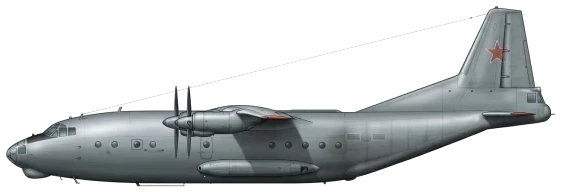 An-12
Destroyed
Destroyed by SBU long-range drones on the parking apron at Rostov-on-Don Tsentralny airfield; secondary detonations followed.
An-12
Destroyed
Destroyed by SBU long-range drones on the parking apron at Rostov-on-Don Tsentralny airfield; secondary detonations followed.
-
SEP 172026
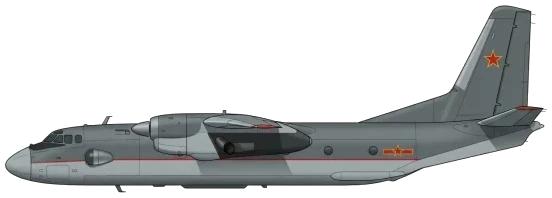 2× An-26
Destroyed
Two An-26 transports destroyed in the same SBU drone strike on the Rostov-on-Don Tsentralny apron.
2× An-26
Destroyed
Two An-26 transports destroyed in the same SBU drone strike on the Rostov-on-Don Tsentralny apron.
-
SEP 172026
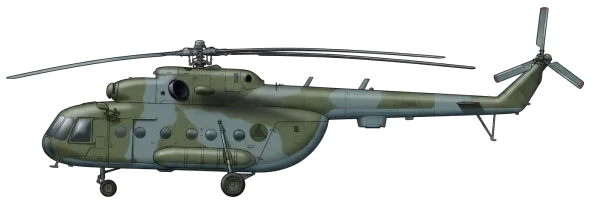 2× Mi-8/17/171
Destroyed
Two Mi-8 helicopters destroyed in the drone strike on Rostov-on-Don Tsentralny that also hit an An-12 and two An-26s.
2× Mi-8/17/171
Destroyed
Two Mi-8 helicopters destroyed in the drone strike on Rostov-on-Don Tsentralny that also hit an An-12 and two An-26s.
-
SEP 92026
Mi-8
Destroyed
Destroyed by a drone at the Chemburka helipad outside Anapa; Russian and Ukrainian accounts agree on the loss.
-
SEP 82026
Mi-8/17/171
Destroyed
Destroyed by Ukrainian drones at Taganrog-Central AB; satellite imagery showed the wreck on the apron.
Full inventory in 2026
55 aircraft typesRussian Air Force
| Aircraft | Origin | Model year | Active | Δ YoY | Ordered | |
|---|---|---|---|---|---|---|
| Combat | ||||||
|
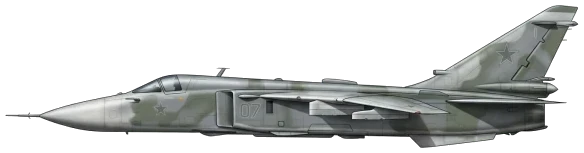
Su-24 | 🇷🇺 Ex-USSR | 1974 | 259 | -1 | — |
|
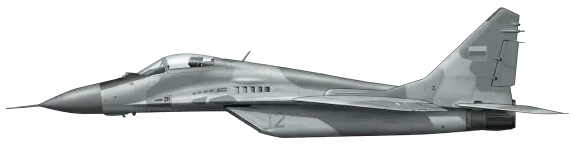
MiG-29/35 | 🇷🇺 Ex-USSR | 1983 | 255 | -1 | +2 |
|
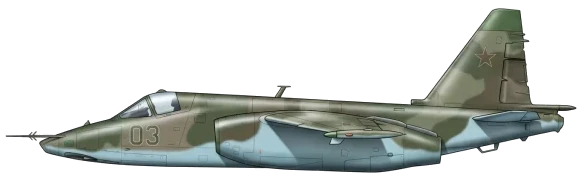
Su-25 | 🇷🇺 Ex-USSR | 1981 | 175 | — | — |
|
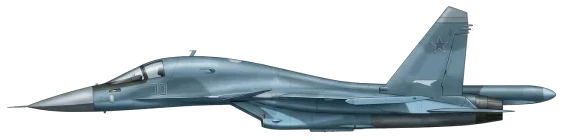
Su-34 | 🇷🇺 Russia | 2014 | 141 | -1 | — |
|
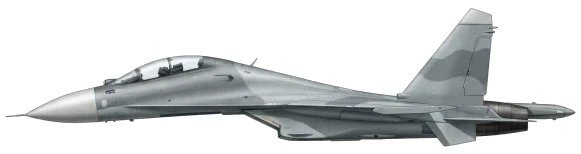
Su-30SM/SM2/M2 | 🇷🇺 Ex-USSR | 1996 | 129 | +129 | — |
|
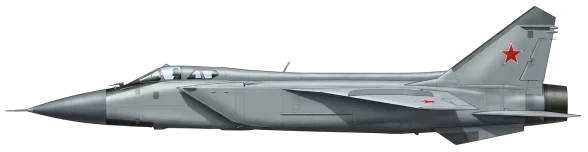
MiG-31 | 🇷🇺 Ex-USSR | 1981 | 127 | -1 | — |
|
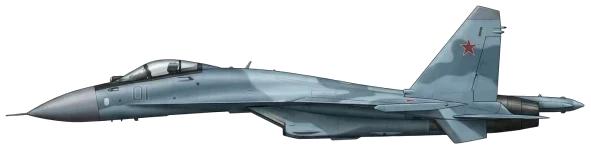
Su-35S | 🇷🇺 Russia | 2014 | 119 | +119 | +30 |
|
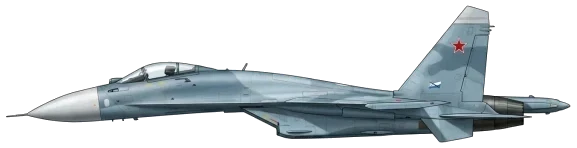
Su-27/SM/SM3 | 🇷🇺 Ex-USSR | 1985 | 103 | +103 | — |
|
|
Su-57 | 🇷🇺 Russia | 2020 | 32 | +8 | +48 |
| Bomber | ||||||
|
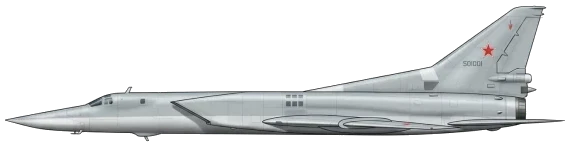
Tu-22M | 🇷🇺 Ex-USSR | 1973 | 55 | -2 | — |
|
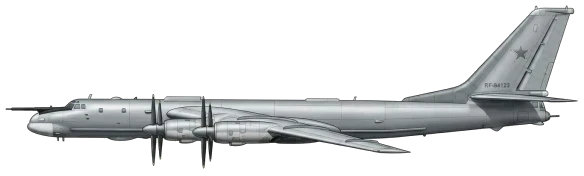
Tu-95 | 🇷🇺 Ex-USSR | 1956 | 45 | -2 | — |
|
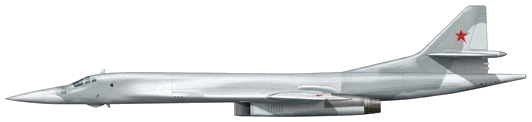
Tu-160 | 🇷🇺 Ex-USSR | 1987 | 17 | +2 | +50 |
| Helicopter | ||||||
|
|
Mi-8/17/171 | 🇷🇺 Ex-USSR | 1967 | 770 | -7 | +10 |
|
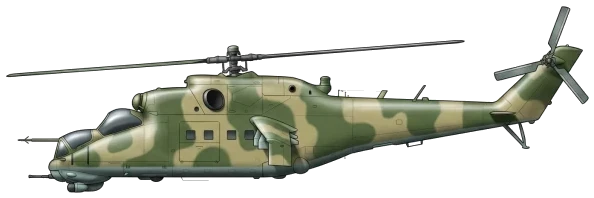
Mi-24/35 | 🇷🇺 Ex-USSR | 1972 | 322 | -1 | — |
|
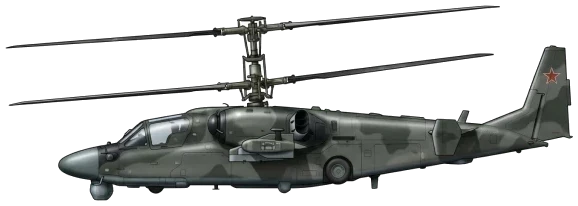
Ka-52 | 🇷🇺 Russia | 2011 | 130 | -5 | +41 |
|
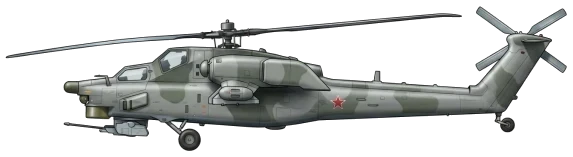
Mi-28 | 🇷🇺 Ex-USSR | 2006 | 111 | -2 | +138 |
|
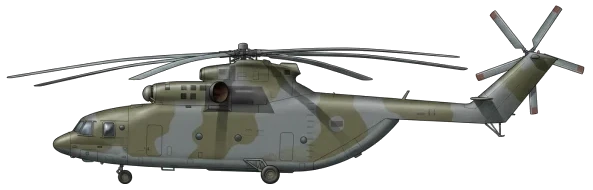
Mi-26 | 🇷🇺 Ex-USSR | 1983 | 45 | — | +15 |
|
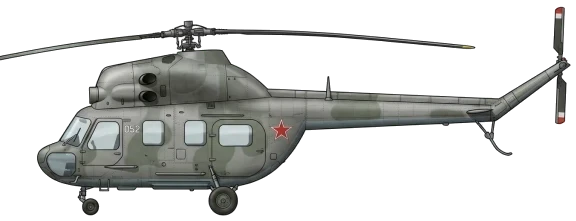
Mi-2 | 🇷🇺 Ex-USSR | 1965 | 43 | — | — |
|
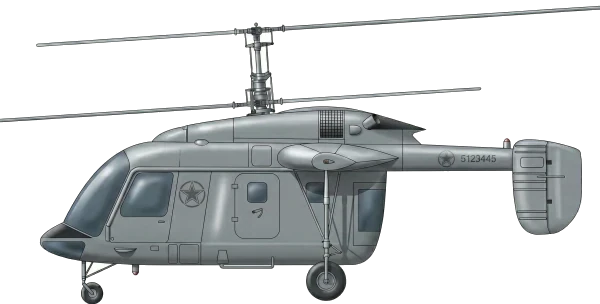
Ka-226 | 🇷🇺 Russia | 2002 | 36 | — | — |
|
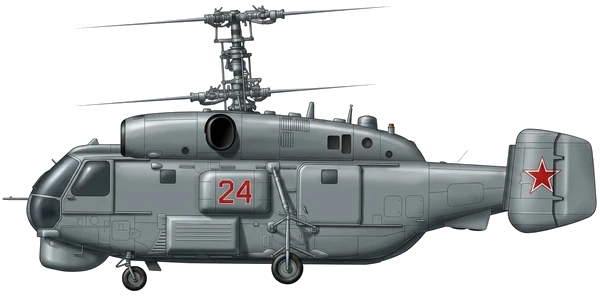
Ka-27 | 🇷🇺 Ex-USSR | 1982 | 6 | — | — |
|
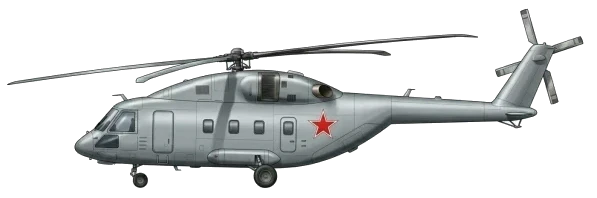
Mi-38 | 🇷🇺 Russia | 2019 | 2 | — | +2 |
|
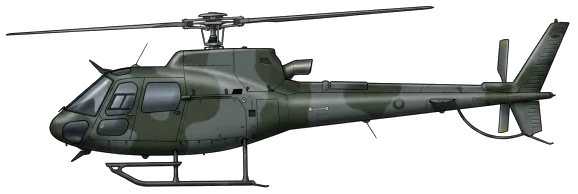
AS355 | 🇫🇷 France | 1990 | 2 | — | — |
|
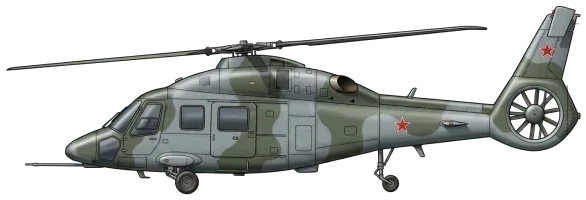
Ka-62 | 🇷🇺 Russia | — | — | — | +100 |
| Transport | ||||||
|
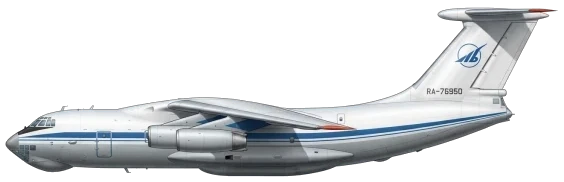
Il-76 | 🇷🇺 Ex-USSR | 1974 | 131 | — | +7 |
|
|
An-26 | 🇷🇺 Ex-USSR | 1969 | 112 | -3 | — |
|
|
An-12 | 🇺🇦 Ukraine | 1959 | 58 | -1 | — |
|
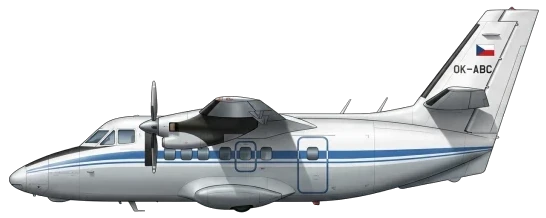
L-410 | 🇨🇿 Czechia | 1970 | 53 | — | +2 |
|
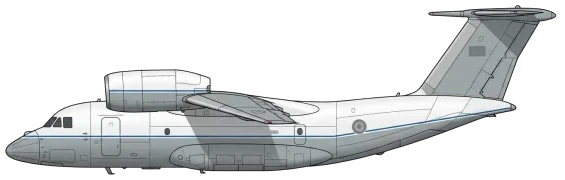
An-72 | 🇷🇺 Ex-USSR | 1985 | 30 | -1 | — |
|
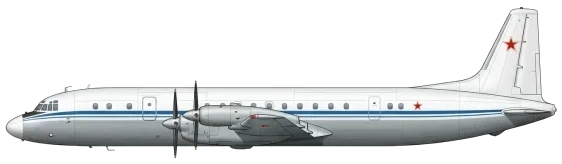
Il-20/22 | 🇷🇺 Ex-USSR | 1957 | 30 | +3 | — |
|
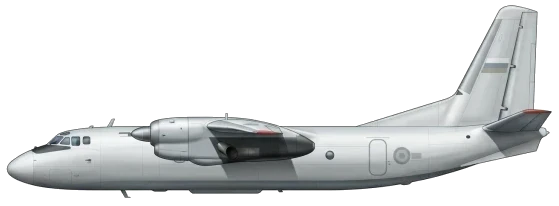
An-30 | 🇺🇦 Ukraine | 1968 | 16 | — | — |
|
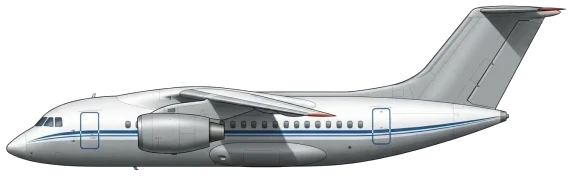
An-148 | 🇺🇦 Ukraine | 2009 | 15 | — | — |
|
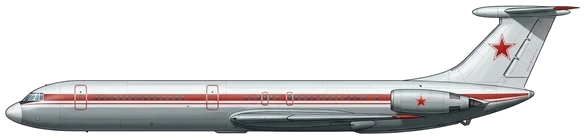
Il-62 | 🇷🇺 Ex-USSR | 1967 | 7 | +7 | — |
|
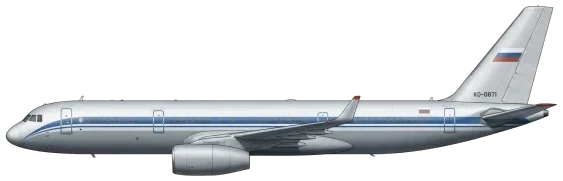
Tu-214 | 🇷🇺 Russia | 1996 | 6 | +4 | — |
|
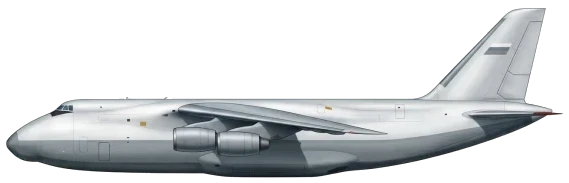
An-124 | 🇷🇺 Ex-USSR | 1986 | 5 | — | — |
|
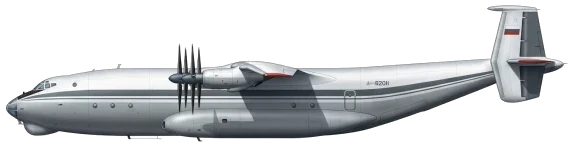
An-22 | 🇺🇦 Ukraine | 1967 | 4 | — | — |
|
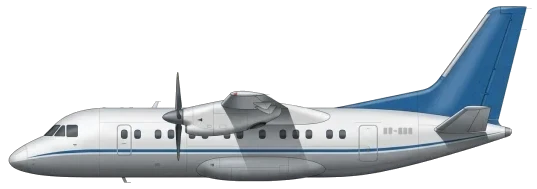
An-140 | 🇺🇦 Ukraine | 2002 | 3 | -1 | — |
|
|
Il-18 | 🇷🇺 Ex-USSR | 1957 | 3 | — | — |
|
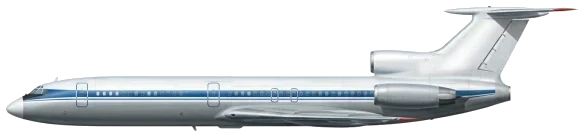
Tu-154 | 🇷🇺 Ex-USSR | 1972 | 3 | — | — |
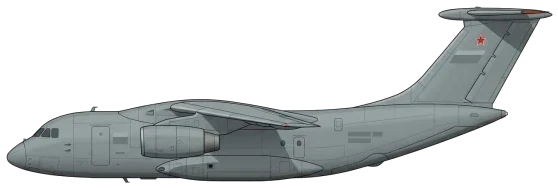
|
Il-276 | 🇷🇺 Russia | 2026 | — | — | +100 |
| Training | ||||||
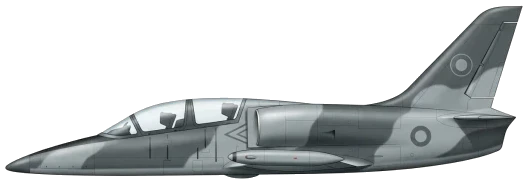
|
L-39 | 🇨🇿 Czechia | 1972 | 181 | -1 | — |
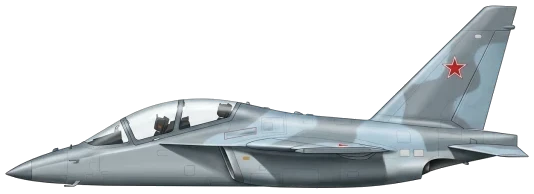
|
Yak-130 | 🇷🇺 Russia | 2010 | 123 | — | +14 |
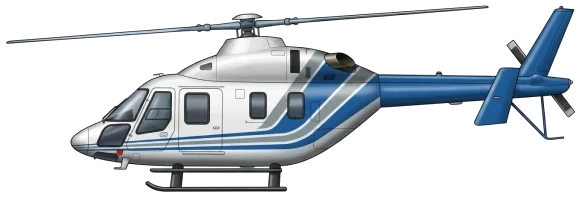
|
Ansat | 🇷🇺 Russia | 2013 | 50 | — | — |
|
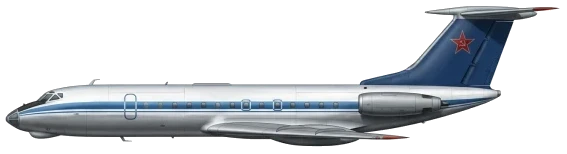
Tu-134 | 🇷🇺 Ex-USSR | 1970 | 43 | — | — |
|
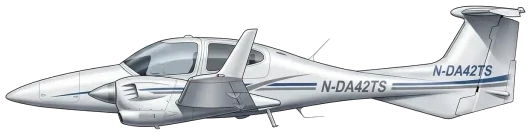
DA42 | 🇦🇹 Austria | 2004 | 34 | — | — |
| UAV | ||||||
| Forpost / Forpost-R | 🇷🇺 Russia | 1992 | 30 | +30 | — | |
| Other | ||||||
|
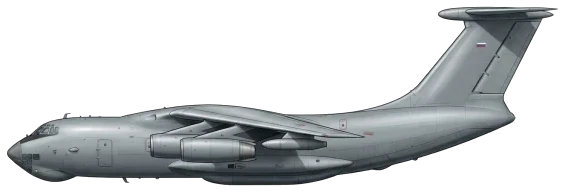
Il-78 | 🇷🇺 Ex-USSR | 1984 | 20 | +1 | +31 |
|
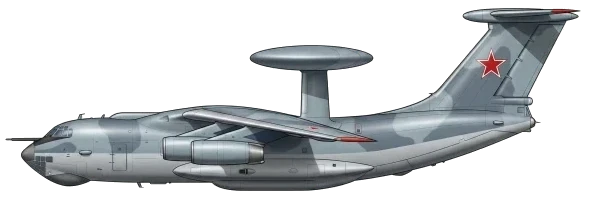
A-50 | 🇷🇺 Russia | 1985 | 12 | — | — |
|
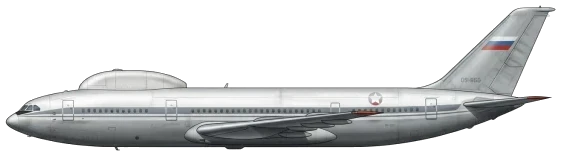
Il-80 | 🇷🇺 Ex-USSR | 1992 | 3 | — | — |
Russian Ground Forces
| Aircraft | Origin | Model year | Active | Δ YoY | Ordered | |
|---|---|---|---|---|---|---|
| UAV | ||||||
|
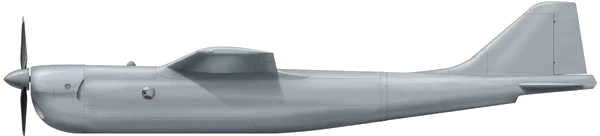
Orlan-10 | 🇷🇺 Russia | 2011 | 1,000 | +1000 | — |
|
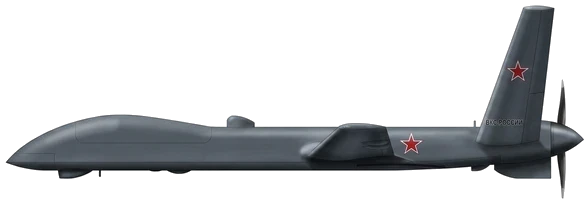
Orion (Inokhodets) | 🇷🇺 Russia | 2020 | 44 | +44 | — |
Russian Naval Aviation
| Aircraft | Origin | Model year | Active | Δ YoY | Ordered | |
|---|---|---|---|---|---|---|
| Combat | ||||||
|
|
Su-24 | 🇷🇺 Ex-USSR | 1974 | 35 | -1 | — |
|
|
Su-30SM/SM2 | 🇷🇺 Ex-USSR | 1996 | 30 | +30 | +15 |
|
|
MiG-31 | 🇷🇺 Ex-USSR | 1981 | 30 | +30 | — |
|
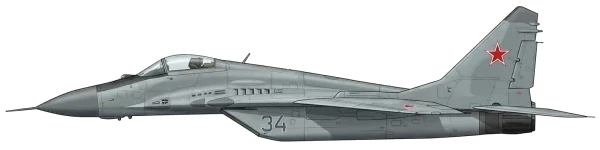
MiG-29 | 🇷🇺 Ex-USSR | 2010 | 22 | — | — |
|
|
Su-27 | 🇷🇺 Ex-USSR | 1985 | 15 | +12 | — |
|
|
Su-25 | 🇷🇺 Ex-USSR | 1981 | 8 | — | — |
| Helicopter | ||||||
|
|
Ka-27 | 🇷🇺 Ex-USSR | 1982 | 88 | -2 | — |
|
|
Mi-8 | 🇷🇺 Ex-USSR | 1967 | 11 | -1 | — |
|
|
Ka-29 | 🇷🇺 Ex-USSR | 1982 | 10 | — | — |
|
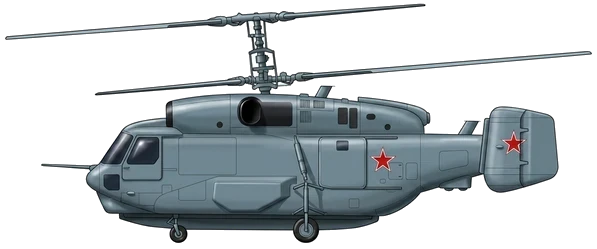
Ka-31 | 🇷🇺 Ex-USSR | 1995 | 3 | — | — |
|
|
Ka-52 | 🇷🇺 Russia | 2011 | 3 | — | — |
|
|
Ka-28 | 🇷🇺 Ex-USSR | 1982 | 2 | — | — |
|
|
Mi-24/35 | 🇷🇺 Ex-USSR | 1972 | 2 | — | — |
| Transport | ||||||
|
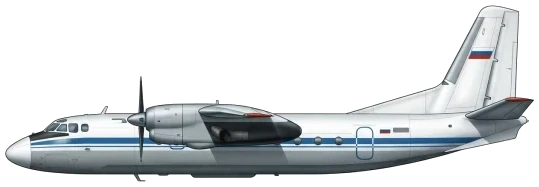
An-24/26 | 🇺🇦 Ukraine | 1962 | 24 | — | — |
|
|
An-12 | 🇺🇦 Ukraine | 1959 | 5 | — | — |
|
|
An-140 | 🇺🇦 Ukraine | 2002 | 4 | — | — |
|
|
An-72 | 🇷🇺 Ex-USSR | 1985 | 4 | — | — |
|
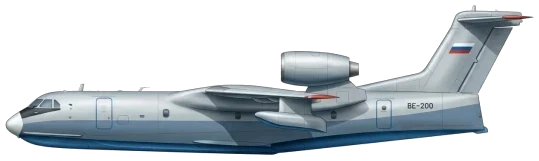
Be-200 | 🇷🇺 Russia | 2003 | 1 | -1 | — |
|
|
Il-22 | 🇷🇺 Ex-USSR | 1957 | 2 | — | — |
|
|
Il-18 | 🇷🇺 Ex-USSR | 1957 | 1 | — | — |
|
|
Tu-154 | 🇷🇺 Ex-USSR | 1972 | 1 | — | — |
| Training | ||||||
|
|
Tu-134 | 🇷🇺 Ex-USSR | 1970 | 6 | — | — |
|
|
L-39 | 🇨🇿 Czechia | 1972 | 4 | — | — |
| Other | ||||||
|
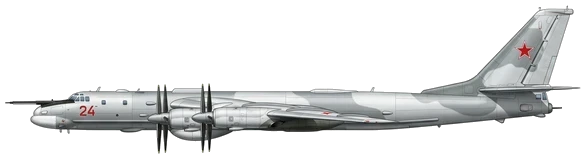
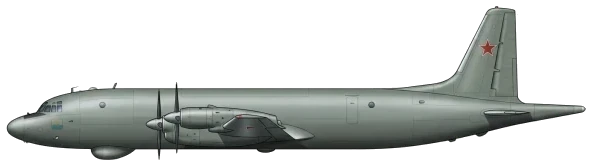
Tu-142 | 🇷🇺 Russia | 1972 | 32 | — | — |
|
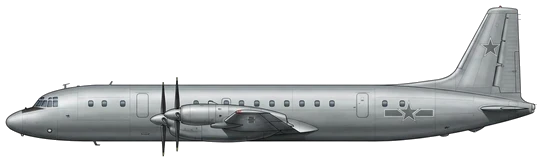
Il-38 | 🇷🇺 Ex-USSR | 1967 | 21 | — | — |
|
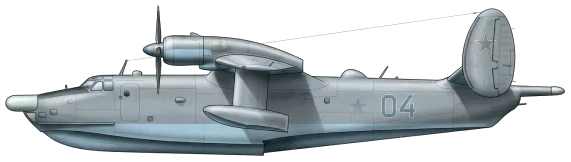
Be-12 | 🇷🇺 Ex-USSR | 1960 | 7 | — | — |
|
Il-20 | 🇷🇺 Ex-USSR | — | 1 | — | — |
Overview
The Russian Aerospace Forces (VKS) were established in 2015 through the merger of the Russian Air Force (VVS) and the Aerospace Defence Forces (VVKO). This reorganization created a unified command structure with three primary branches: the Air Force, the Air and Missile Defense Forces, and the Space Forces. The intent was to improve the integration and efficiency of air and space operations, closing a perceived gap in Russian military strategy that had previously separated these domains. This structure reports to a central high command in Moscow, designed to enhance inter-service cooperation.
The strategic doctrine of the VKS is centered on the concept of a single, continuous air and space theater of war. Its mission is to protect Russia from aerospace threats with both conventional and nuclear capabilities, provide early warning, and support other military branches. This doctrine emphasizes the degradation of an adversary's military and economic potential through long-range precision strikes against critical infrastructure, a form of non-contact warfare. This strategy is part of a broader "active defense" concept, which combines defensive and offensive operations to disorganize an opponent's efforts.
Operationally, the VKS fields a mix of modern and legacy Soviet-era platforms. Its combat aviation is built on several hundred Su-27, Su-30 and Su-35 airframes, a large Su-24 and Su-25 force retained despite obsolescence, and the Su-34, which has become the workhorse of the tactical strike fleet. The MiG-31, armed with the Kinzhal air-launched ballistic missile, provides a high-speed interception and stand-off strike niche. The VKS also operates a robust and multi-layered ground-based air defense network integrated into its overall structure, while the strategic bomber fleet of Tu-95MS, Tu-160 and Tu-22M3 aircraft provides a global cruise-missile strike capability.
The full-scale invasion of Ukraine, now in its fifth year, remains the VKS's defining engagement. Its long-range aviation has been effective in striking Ukrainian cities and energy infrastructure with cruise missiles and mass Shahed-type drone raids, but the VKS has never achieved air superiority over the front. This has been attributed to dense and mobile Ukrainian air defenses, persistent shortcomings in suppressing them, and significant aircraft losses. The force has adapted by relying heavily on stand-off weapons, above all UMPK glide-bomb kits released by Su-34 and Su-35 crews from inside Russian-controlled airspace, and by fielding a wide variety of reconnaissance and strike drones. Its own rear areas have proved vulnerable in turn: the Ukrainian drone raid of June 2025 damaged or destroyed strategic bombers at bases as distant as Siberia, and deep strikes on Russian airfields have continued through the intermittent, short-lived truces of 2026.
Modernization remains a priority but is constrained by attrition and sanctions. The State Armament Program continues to fund Su-34 and Su-35 deliveries, while the fifth-generation Su-57 remains a slow programme: after a year-long pause in confirmed handovers, the United Aircraft Corporation delivered a fresh batch in January 2026, bringing the in-service fleet to roughly 30 airframes against a far larger order. Upgrades to the Tu-95MS and Tu-160M continue, as does work on the long-delayed PAK DA. Rapid iteration on unmanned systems has been the clearest area of progress, driven directly by combat experience, while restricted access to Western components, machine tools and avionics remains the principal long-term constraint on these efforts.
Frequently Asked Questions
How many aircraft does Russia have?
How does Russia's air force rank globally?
How many combat aircraft does Russia operate?
How many military helicopters does Russia have?
What is the AIRS Index score of Russia?
Where does Russia get its military aircraft from?
- SEP 262026 Updated Corrected 4 fleet events against published evidence
- SEP 262026 Updated Logged 26 fleet events from 2024–2026: 20 losses, 6 damage reports
- SEP 262026 Updated Logged the delivery of a second 2026 batch of Su-57 fighters
- SEP 232026 Updated Su-27, Su-30SM and Su-35S listed separately instead of one combined Flanker line (total revised from 468 to 395)
- SEP 232026 Updated Su-57, Su-35S and Su-34 delivery batches logged
- SEP 232026 Updated Su-57 order revised down; MiG-31 interceptors added for Naval Aviation; Il-112 and Il-96 transport orders dropped
- SEP 232026 Updated Land-based MiG-29/35 and carrier-based MiG-29K fleets linked to their aircraft pages