
Royal New Zealand Air Force
The Royal New Zealand Air Force operates 47 military aircraft in 2026 — 21 helicopters, 7 transport aircraft, 11 trainers. It ranks #87 of 162 air forces worldwide.
Full inventory in 2026
8 aircraft typesRoyal New Zealand Air Force
| Aircraft | Origin | Model year | Active | Δ YoY | Ordered | |
|---|---|---|---|---|---|---|
| Helicopter | ||||||
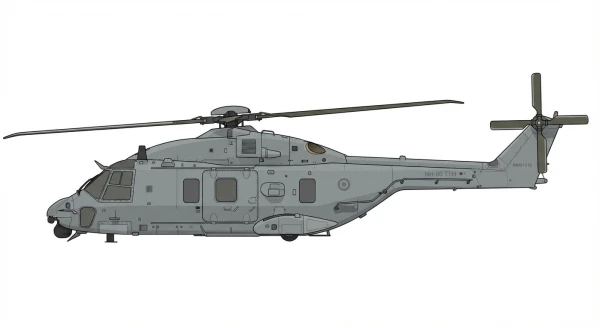
|
NH90 (TTH) |
🇩🇪 Germany 🇫🇷 France 🇮🇹 Italy 🇳🇱 Netherlands |
2004 | 8 | — | — |
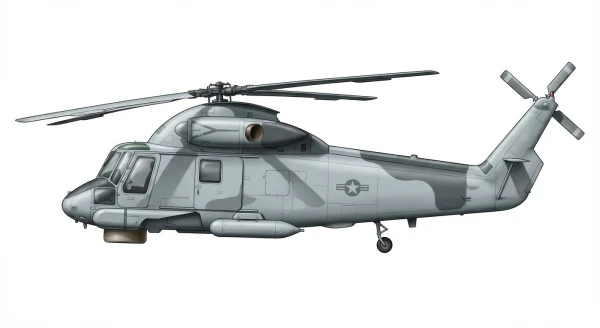
|
SH-2G | 🇺🇸 United States | 1962 | 8 | — | — |
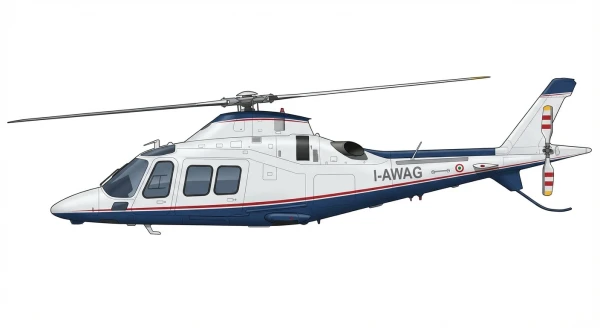
|
AW109 |
🇬🇧 United Kingdom 🇮🇹 Italy |
1976 | 5 | — | — |
| Transport | ||||||
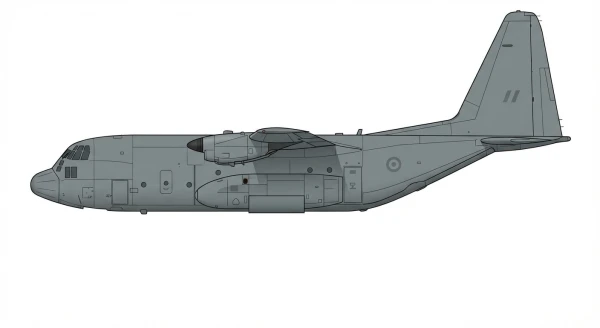
|
C-130J | 🇺🇸 United States | 1956 | 5 | +2 | — |
|
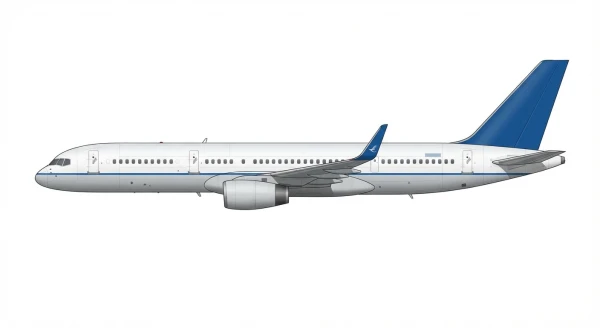
757 | 🇺🇸 United States | 1983 | 2 | — | — |
| Training | ||||||
|
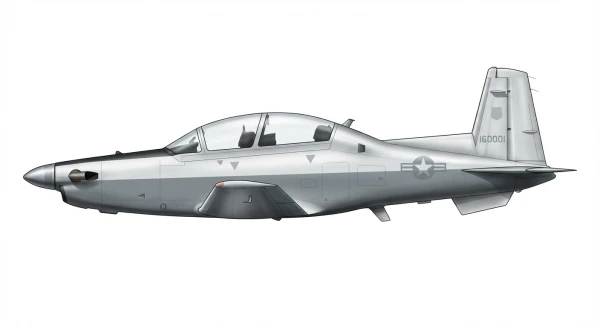
T-6C | 🇺🇸 United States | 2001 | 11 | — | — |
| Other | ||||||
|
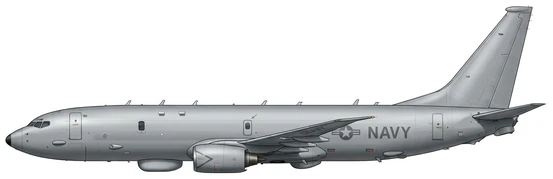
P-8A Poseidon | 🇺🇸 United States | 2013 | 4 | +4 | — |
|
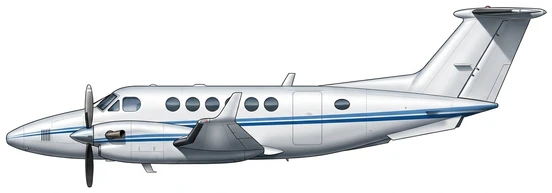
King Air 350 | 🇺🇸 United States | 1990 | 4 | +2 | — |
Overview
The Royal New Zealand Air Force (RNZAF) is structured to provide air power focused on maritime patrol, air mobility, and support to the New Zealand Defence Force's joint operations. It operates from two main bases, RNZAF Base Auckland and RNZAF Base Ohakea, under the Air Component Command. Having divested its air combat capability in 2001, the RNZAF's doctrine emphasizes interoperability with partners, particularly Australia, and contributions to regional stability. This doctrine guides its primary roles of air surveillance and reconnaissance, strategic and tactical airlift, and naval combat support.
The RNZAF's operational capabilities are centered on three core areas. Firstly, maritime surveillance of New Zealand's extensive Exclusive Economic Zone, the South Pacific, and the Southern Ocean. Secondly, strategic and tactical air mobility, providing transport for national and international deployments, humanitarian aid and disaster relief (HADR) missions, and support to Antarctica operations. Lastly, it provides rotary-wing support for both land and naval forces.
Recent RNZAF engagements reflect its doctrinal focus. The force participates in multinational exercises such as Talisman Sabre and conducts joint submarine-hunting training with Australian forces. P-8A Poseidon aircraft have been deployed to monitor United Nations sanctions against North Korea. The RNZAF is also consistently involved in HADR tasks in the Pacific and provides transport and support for scientific programmes in Antarctica.
The maritime patrol and reconnaissance capability has been reconstituted through the acquisition of four Boeing P-8A Poseidon aircraft, which replaced the P-3K2 Orion fleet, with the final aircraft delivered by July 2023. The tactical airlift fleet is also being renewed, with five Lockheed Martin C-130J-30 Super Hercules replacing the C-130H models; deliveries commenced in 2024 and are scheduled for completion by year-end, supported by a new flight simulator in 2025. To support pilot and air warfare officer training, the RNZAF leases four Beechcraft King Air 350 aircraft, which also undertake domestic maritime surveillance tasks, bringing specialist aircrew training back to New Zealand for the first time in two decades.
Frequently Asked Questions
How many aircraft does New Zealand have?
How does New Zealand's air force rank globally?
How many military helicopters does New Zealand have?
What is the AIRS Index score of New Zealand?
Where does New Zealand get its military aircraft from?
- SEP 82026 Updated Logged 1 delivery and 1 retirement from 2023
- SEP 82026 Updated Logged 1 delivery from 2024
- AUG 292026 Updated King Air 350 fleet entry linked to its aircraft page
- MAR 292026 Updated P-8A Poseidon: aircraft type updated
- FEB 272026 Updated 8 aircraft types added
- JUN 252025 Updated Air force overview reviewed and updated