
German Air Force
Luftwaffe — The German Air Force, or Luftwaffe, is undergoing its most significant strategic and structural realignment since the end of the Cold War. Structurally, it is organized under the Air Force Command, which …
Full inventory in 2026
18 aircraft typesGerman Air Force
| Aircraft | Origin | Model year | Active | Δ YoY | Ordered | |
|---|---|---|---|---|---|---|
| Combat | ||||||
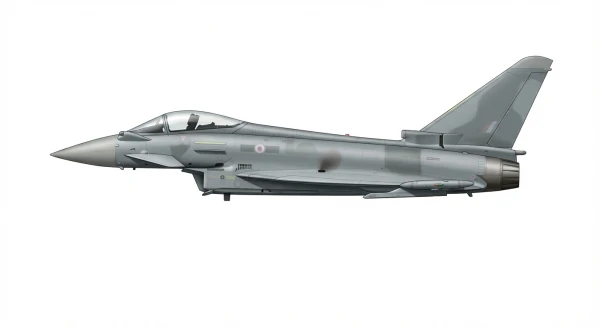
|
Eurofighter |
🇩🇪 Germany 🇪🇸 Spain 🇬🇧 United Kingdom 🇮🇹 Italy |
2003 | 138 | +9 | +58 |
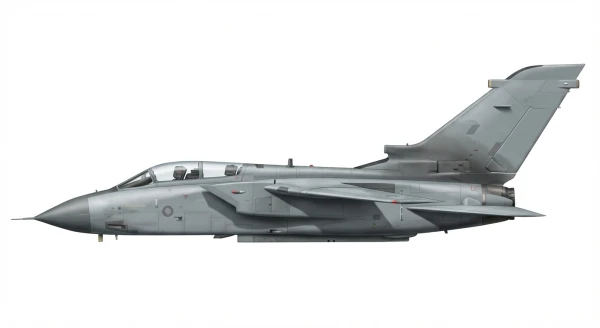
|
Tornado IDS |
🇩🇪 Germany 🇬🇧 United Kingdom 🇮🇹 Italy |
1980 | 65 | — | — |
|
|
Tornado ECR |
🇩🇪 Germany 🇬🇧 United Kingdom 🇮🇹 Italy |
1980 | 21 | — | — |
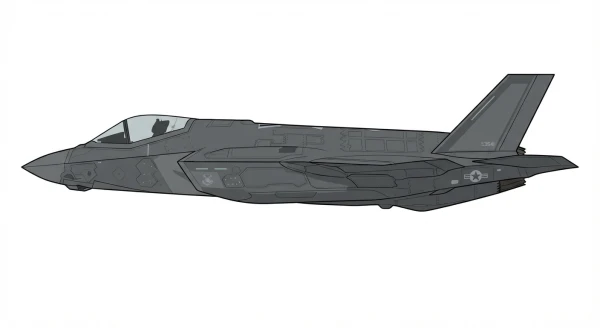
|
F-35A | 🇺🇸 United States | 2013 | — | — | +35 |
| Helicopter | ||||||
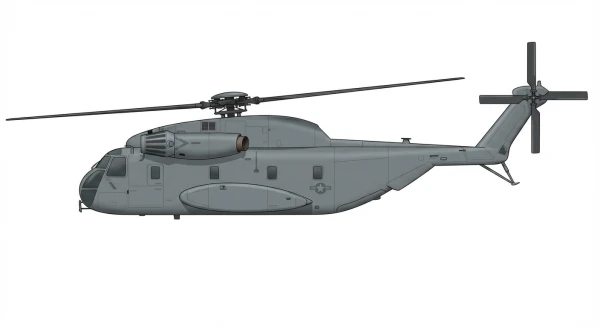
|
CH-53G/GA/GS | 🇺🇸 United States | 1966 | 66 | -15 | — |
|
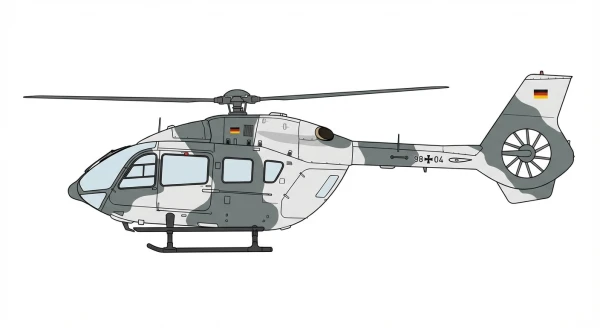
H145M | 🇫🇷 France | 2002 | 16 | +1 | +9 |
|
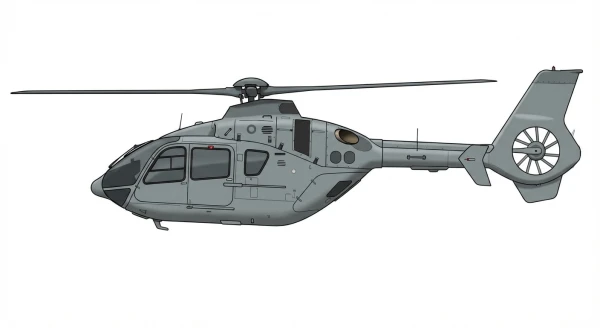
H135 | 🇫🇷 France | 1996 | 3 | — | — |
|
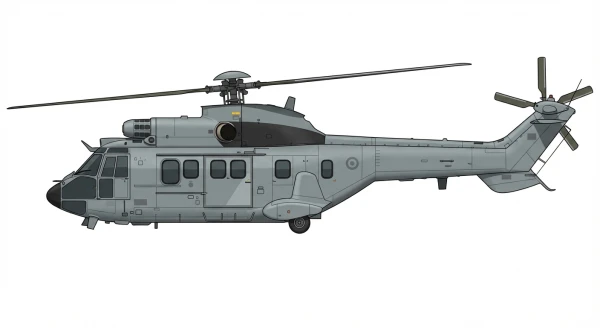
AS532 |
🇩🇪 Germany 🇫🇷 France |
1978 | 3 | +3 | — |
|
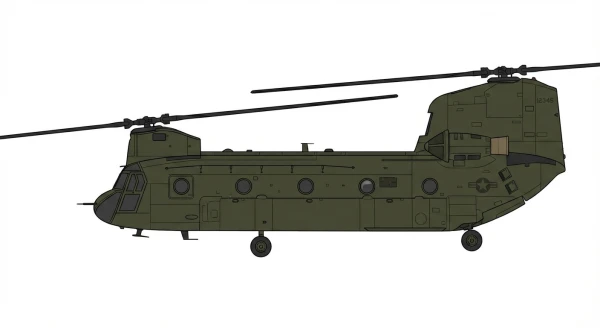
CH-47F | 🇺🇸 United States | 1962 | — | — | +60 |
| Transport | ||||||
|
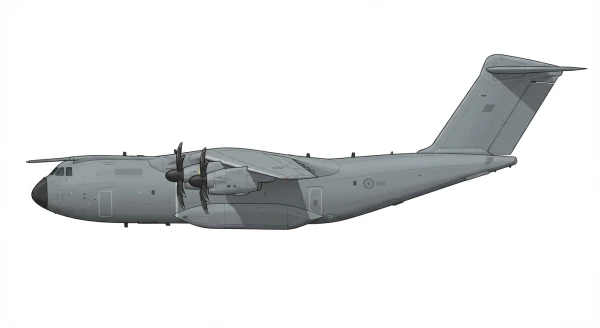
A400M | 🇪🇺 Europe | 2013 | 53 | +8 | — |
|
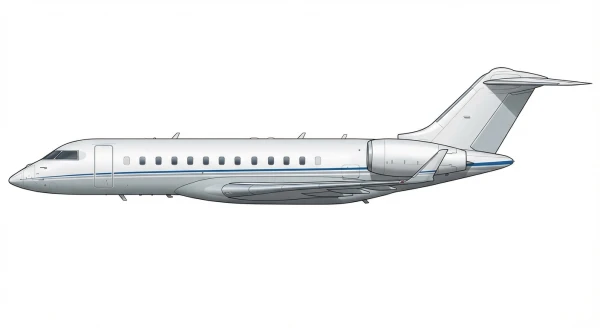
Global 5000/6000 | 🇨🇦 Canada | 1999 | 6 | +6 | — |
|
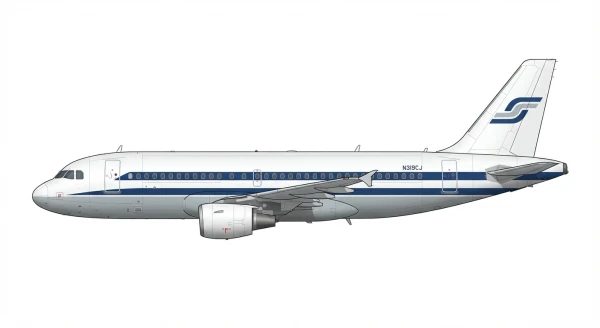
A319 | 🇪🇺 Europe | 1995 | 3 | +2 | — |
|
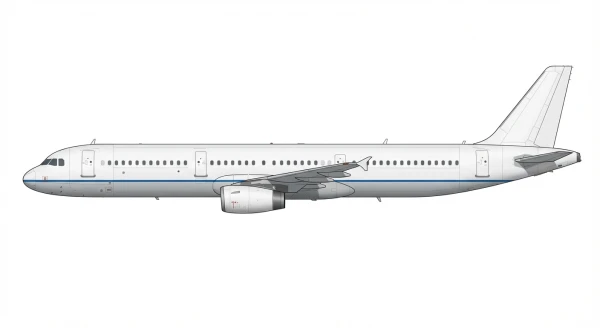
A321 | 🇪🇺 Europe | 1994 | 3 | +1 | — |
|
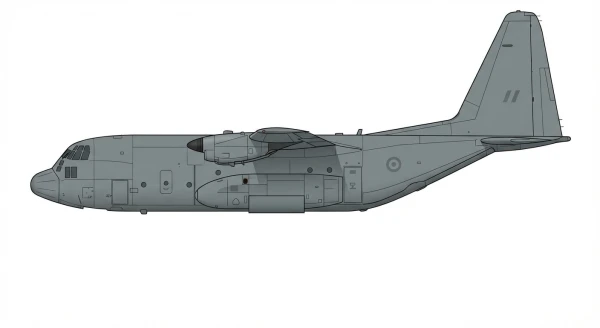
C-130J | 🇺🇸 United States | 1956 | 3 | — | — |
|
|
Global 6000 (SIGINT) | 🇨🇦 Canada | 1999 | — | — | +3 |
| Training | ||||||
|
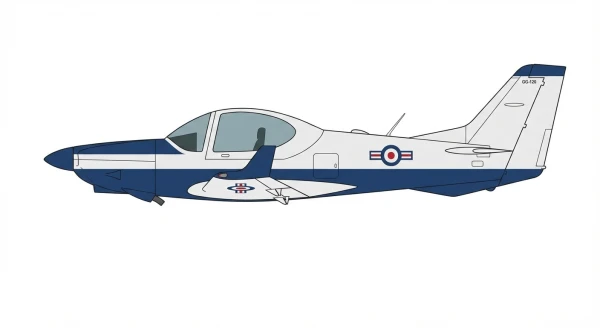
G120TP | 🇩🇪 Germany | 1999 | 2 | — | — |
|
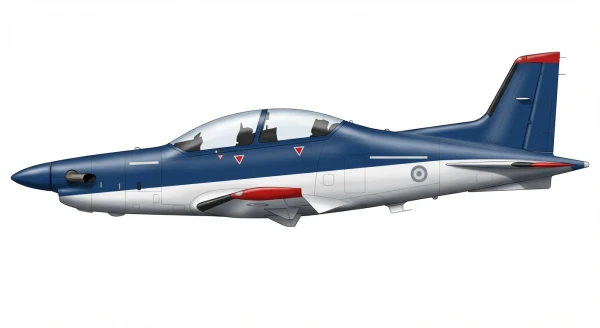
PC-21 | 🇨🇭 Switzerland | 2008 | — | — | +28 |
| Other | ||||||
|
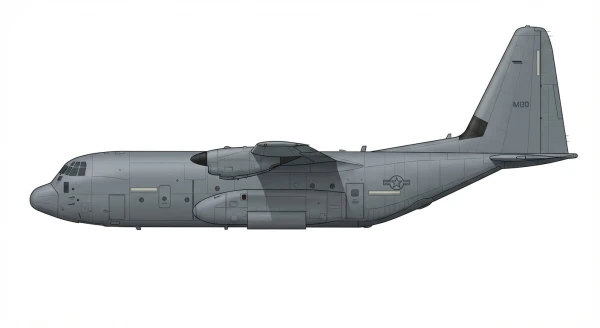
KC-130J | 🇺🇸 United States | 1962 | 3 | — | — |
German Army
| Aircraft | Origin | Model year | Active | Δ YoY | Ordered | |
|---|---|---|---|---|---|---|
| Helicopter | ||||||
|
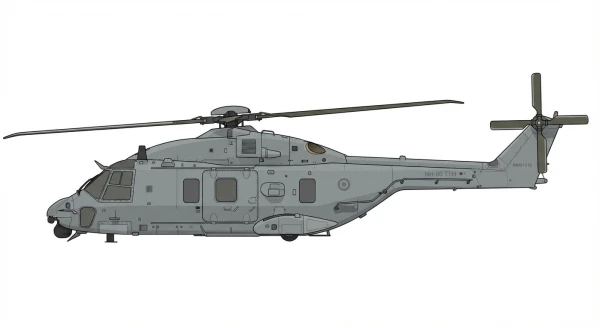
NH90 (TTH) |
🇩🇪 Germany 🇫🇷 France 🇮🇹 Italy 🇳🇱 Netherlands |
2004 | 82 | +1 | — |
|
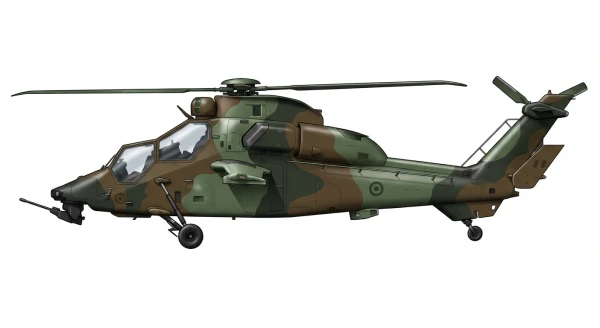
Tiger |
🇩🇪 Germany 🇫🇷 France |
2002 | 51 | -3 | — |
|
|
H135 | 🇫🇷 France | 1996 | 19 | -2 | — |
|
|
H145 | 🇫🇷 France | 2002 | 8 | — | +71 |
German Navy
| Aircraft | Origin | Model year | Active | Δ YoY | Ordered | |
|---|---|---|---|---|---|---|
| Helicopter | ||||||
|
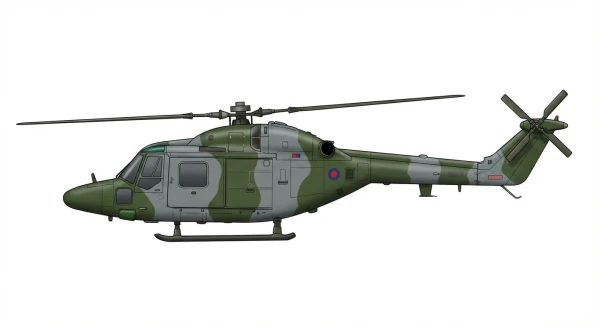
Lynx 88 | 🇬🇧 United Kingdom | 1978 | 22 | — | — |
|
|
NH90 (NFH) |
🇩🇪 Germany 🇫🇷 France 🇮🇹 Italy 🇳🇱 Netherlands |
2004 | 19 | +1 | +30 |
|
|
H135 | 🇫🇷 France | 1996 | 1 | — | — |
| Transport | ||||||
|
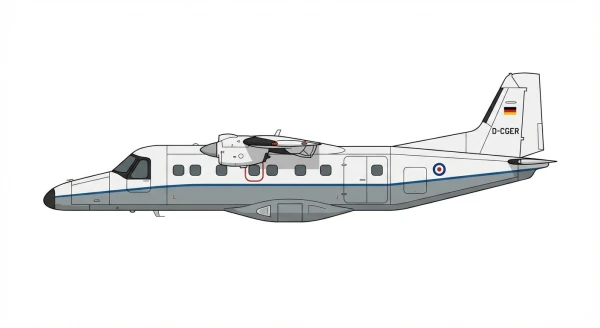
Dornier 228/NG | 🇩🇪 Germany | 1982 | 2 | — | — |
|
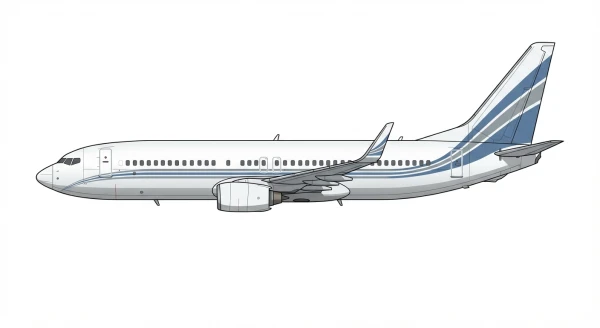
P-8A Poseidon | 🇺🇸 United States | 1968 | 1 | +1 | +7 |
Overview
The German Air Force, or Luftwaffe, is undergoing its most significant strategic and structural realignment since the end of the Cold War. Structurally, it is organized under the Air Force Command, which is responsible for readiness and force provision, and the Air Operations Center, which oversees operational deployments. The core of its combat power resides in several tactical air wings, equipped with Eurofighter Typhoon and Tornado aircraft. These are complemented by air transport wings, a helicopter wing, ground-based air defense units, and various training and support establishments.
Germany's strategic doctrine has shifted fundamentally following Russia's 2022 invasion of Ukraine. The government's 2023 Defence Policy Guidelines formalized this change, known as the Zeitenwende (turning point), pivoting away from post-Cold War crisis management operations to a primary focus on national and collective defense within the NATO framework. The new doctrine explicitly identifies Russia as the most significant threat and establishes "warfighting capability" (Kriegstüchtigkeit) as the central task for the Bundeswehr. For the Luftwaffe, this translates into an emphasis on air defense of Central Europe, credible deterrence, and the ability to contribute to high-intensity combat operations alongside allies.
The Luftwaffe's operational capabilities are deeply integrated into NATO's command and force structures. Germany is a key participant in Alliance missions, such as recurring deployments for Baltic Air Policing and leading major multinational exercises like Air Defender 23. A primary capability is providing air defense for Germany and contributing to NATO's Integrated Air and Missile Defence System. Another core mission is its role in NATO's nuclear sharing policy, a task currently fulfilled by the Tornado fleet. Furthermore, Germany contributes significantly to NATO's tactical and strategic airlift capabilities.
To align with the new strategic reality, the Luftwaffe has embarked on extensive modernization efforts, underwritten by a €100 billion special fund. A central program is the acquisition of the F-35A Lightning II to replace the aging Tornado fleet by 2030. This purchase ensures continued participation in the nuclear sharing mission and introduces fifth-generation stealth capabilities. In parallel, Germany is procuring additional Eurofighter Typhoons and upgrading existing models for electronic warfare roles to maintain a versatile fleet. To enhance long-range strike capabilities for this modernized force, the Luftwaffe is acquiring the Joint Strike Missile (JSM). The air mobility fleet is also being renewed with the A400M transport and the procurement of CH-47 Chinook heavy-lift helicopters.